What to Eat After Teeth Whitening

Credential

DMD, Univ. of Pittsburgh

Research

Published — Intl. Journal Oral Surgery

Serving

Midland, TX since 2003

After teeth whitening, it's important to be mindful of the foods you consume to maintain your bright smile. Avoiding certain foods and incorporating others can help prolong the effects of teeth whitening. Here are the key takeaways from the article:


Key Takeaways


  • Be mindful of acidic foods and beverages as they can weaken tooth enamel and cause sensitivity.
  • Avoid staining foods and drinks such as coffee, tea, and red wine to prevent discoloration of teeth.
  • Opt for soft and non-acidic foods to minimize discomfort and protect your teeth after whitening.
  • Incorporate dairy products like yogurt and cheese, which can help neutralize acids and strengthen teeth.
  • Include fruits and vegetables in your diet to promote oral health and maintain your bright smile.


Foods to Avoid After Teeth Whitening


Acidic Foods and Beverages


After a teeth whitening procedure, it's crucial to avoid acidic foods and beverages as they can weaken the enamel. This sensitivity makes your teeth more susceptible to stains, reversing the effects of the whitening treatment.


  • Citrus fruits like oranges and lemons
  • Carbonated drinks, including sodas and sparkling water
  • Tomatoes and tomato-based sauces
  • Vinegars and pickled foods


Limiting intake of these items can help maintain the brightness of your newly whitened teeth. It's not just about immediate care; long-term dietary choices play a significant role in preserving your smile's radiance.
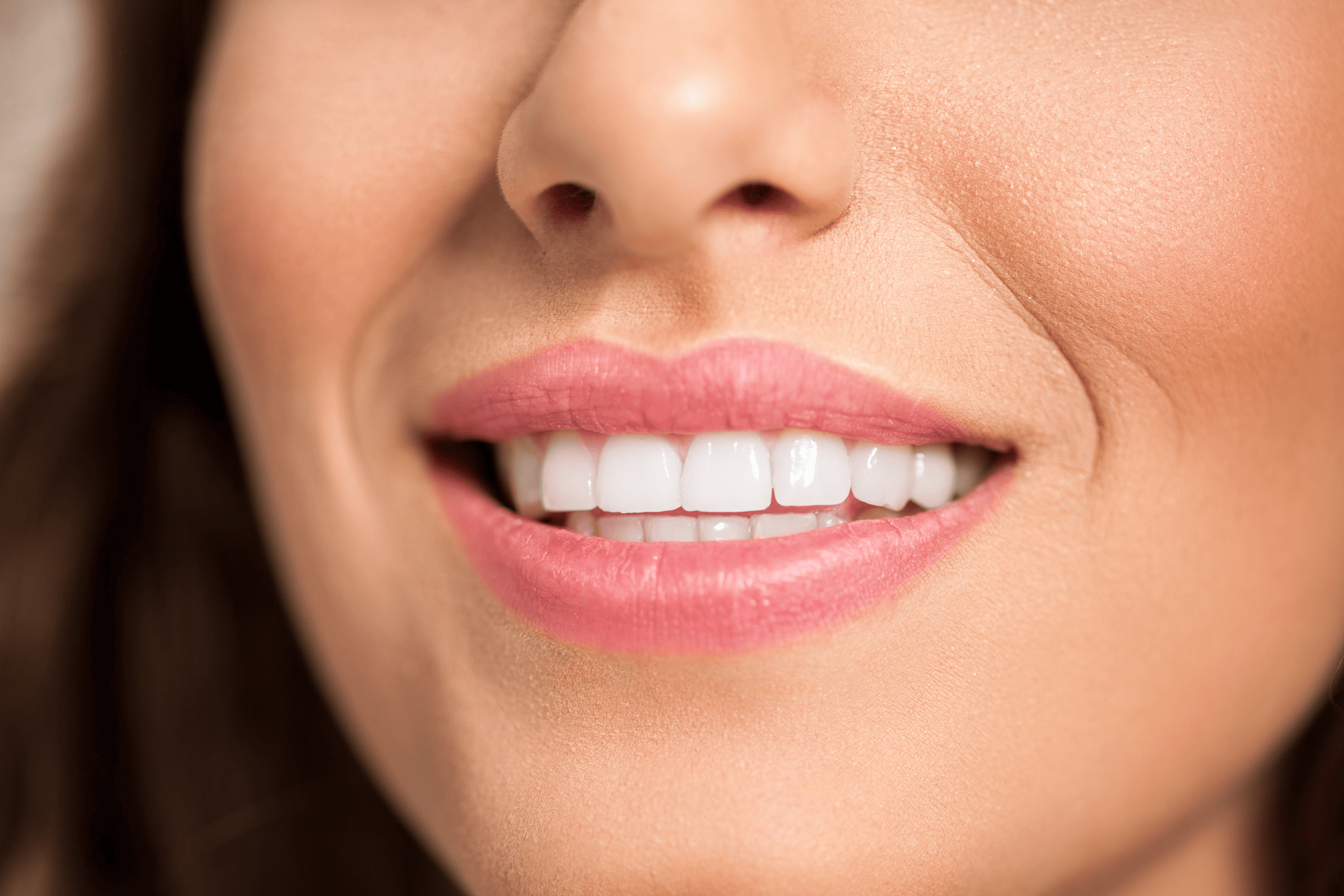
A close up of a woman 's mouth with white teeth and pink lips.

Staining Foods and Drinks


After teeth whitening, it's crucial to avoid foods and drinks that can cause staining. These include coffee, tea, red wine, and dark sodas. Consuming these can reverse the effects of your whitening treatment, leading to disappointment and the need for more frequent touch-ups.


  • Coffee
  • Tea
  • Red Wine
  • Dark Sodas
  • Soy Sauce
  • Berries


It's not just what you eat, but also what you drink that can affect the longevity of your teeth whitening results. Be mindful of your consumption choices to maintain that bright smile.


Remember, the first 48 hours after whitening are the most critical for avoiding these items. Your enamel is more porous and susceptible to stains during this time. If you have dental restorations like crowns, bridges, or implants, it's especially important to maintain good oral hygiene and avoid staining substances to ensure their longevity and the continued brilliance of your smile.


Hard and Crunchy Foods


After teeth whitening, it's crucial to avoid hard and crunchy foods. These can cause discomfort and may even damage the newly whitened enamel.


  • Avoid nuts, seeds, and popcorn, which can be too abrasive immediately after treatment.
  • Steer clear of chips and hard breads that could scrape or dent the sensitive teeth surfaces.


Remember, your teeth are more susceptible to damage and staining right after whitening.


Opt for softer food choices that won't compromise your whitening results or harm your dental health. Following these guidelines will help maintain your beautiful smile for life, reflecting the comprehensive care provided by dental services.


Best Foods to Eat After Teeth Whitening


Soft and Non-Acidic Foods


After teeth whitening, it's essential to choose foods that are gentle on your teeth and won't cause discomfort or discoloration. Opt for soft and non-acidic foods that are easy to chew and won't irritate your freshly whitened teeth.

  • Mashed potatoes
  • Scrambled eggs
  • Smoothies (without berries or added sugars)
  • Yogurt
  • Pasta


These foods not only provide comfort during the sensitivity period post-whitening but also help maintain the brightness of your teeth. Remember, the goal is to avoid any foods that could stain or harm your teeth while they are most susceptible.


It's crucial to follow a diet that supports the longevity of your teeth's new shade. This means being mindful of what you eat and ensuring that your choices promote dental health.


Dairy Products


After teeth whitening, incorporating dairy products into your diet can be highly beneficial. These foods are typically low in acidity and provide essential nutrients that aid in maintaining your oral health.


  • Yogurt is an excellent choice as it's soft and contains probiotics that can help balance the bacteria in your mouth.
  • Cheese is another great option, as it can increase saliva production, which naturally helps to cleanse your teeth.
  • Milk and milk-based drinks are gentle on your teeth and can help to neutralize any acids that may have been left in your mouth after the whitening process.


Remember to choose dairy products that are not mixed with fruits or flavors that could stain your teeth. Opt for plain varieties to ensure you're not counteracting the whitening effect.


Fruits and Vegetables


After teeth whitening, it's important to choose foods that won't compromise your bright new smile. Fruits and vegetables are excellent choices, but it's crucial to select the right ones. Opt for those that are less likely to stain your teeth and are easy on your enamel.


  • Bananas are a great option as they are soft and have a low risk of causing stains.
  • Apples, despite being slightly harder, can be eaten carefully and are beneficial for their high water content, which helps rinse your teeth.
  • Steamed vegetables like carrots or broccoli are soft enough not to damage your whitened teeth and provide essential nutrients without the risk of staining.


Remember, the goal is to maintain that digital smile makeover you're proud of. Eating the right fruits and vegetables can help sustain the results of your teeth whitening treatment, ensuring your smile stays as radiant as your confidence.

Frequently Asked Questions
  • How soon after teeth whitening can I eat?

    It's best to wait at least 24 hours before eating to allow the whitening treatment to set.

  • Can I drink coffee after teeth whitening?

    It's best to avoid coffee for the first 24 hours after teeth whitening, as it can stain the teeth.

  • Are there any foods that can help maintain teeth whitening results?

    Yes, consuming crunchy fruits and vegetables like apples and carrots can help maintain teeth whitening results by promoting saliva production and natural teeth cleaning.

  • Can I eat spicy foods after teeth whitening?

    It's best to avoid spicy foods for the first 24 hours after teeth whitening, as they may cause discomfort or irritation to the teeth and gums.

  • Is it okay to eat ice cream after teeth whitening?

    Yes, soft and cold foods like ice cream can be consumed after teeth whitening, but it's best to avoid flavors that may stain the teeth.

  • Can I drink red wine after teeth whitening?

    It's best to avoid red wine for the first 24 hours after teeth whitening, as it can stain the teeth and affect the whitening results.

July 30, 2026
A first visit with the best dentist in Midland, TX typically includes new patient paperwork, digital X-rays, a full oral exam, an oral cancer screening, and a professional cleaning if your gums are healthy enough. The appointment runs 60 to 90 minutes and ends with a written treatment plan and a face-to-face conversation about your results. Quick answer: Plan for about 1.5 hours. You'll get X-rays, an exam, and usually a cleaning, then sit down with the dentist to go over what was found before you leave. Key Takeaways A first visit runs 60–90 minutes and covers X-rays, a full exam, an oral cancer screening, and a cleaning when appropriate. You'll review your results with the dentist face-to-face before leaving, using your own X-rays and photos. New patients get a written treatment plan with cost estimates, not a surprise bill. Dental anxiety and long gaps since your last visit are common and handled without judgment. Choosing a New Dental Home Shouldn't Feel Like a Gamble If you've been searching for the best dentist in Midland, TX, you're probably also wondering what actually happens once you sit in the chair. Will it hurt? How long does it take? What if it's been years since your last cleaning? At Dentistry of Midland , Dr. John K. Drisdale and the team built the new-patient process to answer those questions before you even ask them. This guide walks through exactly what happens from scheduling to walking out the door with a clear plan for your smile. Before You Arrive: A Little Prep Goes a Long Way Complete new patient paperwork online. Most offices, including this one, offer secure digital forms you can fill out from home, which saves time in the waiting room. Bring your insurance card and photo ID. Having your group number ready helps the front desk verify benefits quickly. Write down your questions. Sensitivity in one tooth, curiosity about cosmetic dentistry , or general anxiety about the visit — jot it down so nothing gets forgotten once you're in the chair. Arrive 15 minutes early to finish any last paperwork and settle in. Step One: Check-In From the moment you walk in, the front desk team confirms your paperwork, answers billing questions, and gives you a quick overview of the visit. If you filled out forms online, this takes just a few minutes. Step Two: A Comprehensive Oral Health Assessment Digital X-rays capture detailed images of your teeth, roots, and jawbone, revealing cavities between teeth, bone loss, or early issues a visual exam alone can't catch. A full mouth exam checks your teeth, gums, tongue, and soft tissue for cavities, cracks, and signs of gum disease. An oral cancer screening is part of every comprehensive exam. It's quick, painless, and takes just a couple of minutes — early detection matters, and regular screening is one of the reasons dentists build it into general exams . A bite and jaw evaluation checks how your teeth come together and whether your jaw joints show signs of tension or grinding. Gum health measurements use a small instrument to check pocket depth around each tooth, flagging early gingivitis or periodontal disease. Step Three: A Professional Cleaning, If Your Gums Allow It If your exam shows healthy gums, most first visits include a cleaning that goes beyond your at-home routine — removing plaque and tartar buildup, especially along the gumline, and polishing away surface stains. If the exam shows signs of more advanced gum disease, a different treatment called scaling and root planing may be recommended instead, and the dentist will explain exactly why before it's scheduled. Step Four: A Real Conversation, Not a Sales Pitch After the exam and cleaning, you'll sit down with Dr. Drisdale to review the findings using your own X-rays and photos. If anything needs attention, he'll explain what it means, what the options are, and what happens if it's left alone — this is also your moment to ask everything on that list you made earlier. Step Five: Your Written Treatment Plan Before you leave, you'll get a clear plan covering any recommended next steps, a suggested cleaning frequency, cosmetic consultation options if you're interested, and a cost estimate with insurance factored in — no surprises. What If It's Been Years Since Your Last Visit? Plenty of patients come in after a long gap, sometimes a decade or more, and there's no judgment about it. Just mention it at the start of the visit so the pace can be adjusted accordingly. What If I Have Dental Anxiety? Dental anxiety is one of the most common reasons people delay care. Expect open communication before every step, a signal system so you can pause at any time, and sedation options for patients who need more support. Ask about it when you request your appointment . Frequently Asked Questions (FAQs)
July 30, 2026
Professional teeth whitening is worth it for most patients with surface stains from coffee, tea, wine, or tobacco, since it delivers faster, more even results than store-bought kits under a dentist's supervision. It's less effective on intrinsic stains, crowns, or veneers, and results typically last 6 months to 2 years. Quick answer: For everyday stains, yes, it's usually worth it. For deep internal discoloration or teeth with existing dental work, whitening alone may disappoint, and a cosmetic consultation is the better first step. Key Takeaways Professional whitening works best on surface (extrinsic) staining from coffee, tea, wine, and tobacco. Intrinsic staining, crowns, and veneers won't respond the same way to whitening agents. Results last six months to two years and require maintenance, not a one-time fix. Temporary tooth sensitivity is the most common side effect of any whitening method. A quick consultation can save money by matching the right method to your specific type of staining. Why Teeth Discolor in the First Place Search "teeth whitening Midland," and you'll find pharmacy strips, charcoal powders, whitening toothpaste, and professional treatment — all claiming to brighten your smile. Before picking one, it helps to know why teeth discolor in the first place. Extrinsic staining sits on the surface of the enamel and comes from everyday habits: coffee, tea, red wine, dark sodas, tobacco, and foods like berries or tomato sauce. This is the type whitening treats best. Intrinsic staining occurs beneath the enamel, often from aging, certain childhood medications like tetracycline, excessive fluoride exposure, or old trauma to a tooth. It responds less dramatically to whitening and may call for cosmetic dentistry options like veneers or bonding instead. The Pros of Teeth Whitening Noticeable results, often in one visit. In-office whitening can lighten teeth several shades in about an hour, using higher-concentration agents applied under professional supervision. A boost in confidence. Patients often smile more, feel more comfortable in photos, and feel more confident in social and professional settings after whitening. Customization and control. A dentist assesses your current shade, goals, and sensitivity, then recommends the right concentration and method for you, whether that's in-office treatment, custom take-home trays, or both. Safety and supervision. Professional whitening includes a dental exam first, so cavities, cracks, or gum issues get caught before whitening agents are applied, and gums are protected with a barrier during in-office treatment. Longer-lasting, more even results. Custom trays fit your teeth precisely, producing more uniform coverage than generic one-size-fits-all strips. The Cons of Teeth Whitening Tooth sensitivity. The most common side effect, professional or over-the-counter, is temporary sensitivity to hot and cold, usually resolving within a few days. Results aren't permanent. Depending on diet and habits like smoking or coffee, results typically last six months to two years before a touch-up is needed. It doesn't work on everything. Intrinsic staining, crowns, veneers, and fillings won't lighten the same way natural enamel does, which can create an uneven look if only some teeth respond. Cost. Professional whitening costs more upfront than a drugstore kit, but it's typically more effective, more evenly applied, and safer for gums and enamel. Overuse can damage enamel. High-concentration at-home products used without professional guidance can wear down enamel over time and increase long-term sensitivity. Professional Whitening vs. At-Home Kits In-office whitening offers the fastest, most dramatic results with professional supervision and gum protection, at a higher upfront cost. Custom take-home trays from a dentist offer strong results with more flexibility, often at a lower cost than in-office treatment. Over-the-counter strips and gels are the most affordable and convenient but use lower-concentration agents and carry a higher risk of gum irritation from ill-fitting strips. Whitening toothpaste mainly removes surface stains through mild abrasives rather than bleaching the tooth, so it helps maintain results more than create them. So, Is It Worth It? If you're dealing mostly with surface staining from coffee, wine, or occasional tobacco use, professional whitening is very likely worth the investment compared to the diminishing returns of over-the-counter products. If your discoloration is intrinsic, or you have crowns or veneers on your front teeth, whitening alone may not deliver the uniform result you're picturing, and a cosmetic dentistry consultation is the better starting point. What Happens During a Whitening Consultation A consultation at Dentistry of Midland includes a brief oral exam, a shade assessment using a standardized guide, a conversation about your goals and lifestyle, and a recommendation for the method that fits your needs and budget — in-office, custom trays, or a combination. Maintaining Your Results Rinse with water after coffee, tea, or red wine. Use a straw for dark beverages when possible. Keep up consistent brushing and flossing. Schedule regular cleanings to catch surface stains early. Consider periodic touch-ups with custom trays as needed.  Frequently Asked Questions (FAQs)
Dentist showing a patient a model of teeth in a dental office.
February 24, 2026
Emergency dental pain? Dr. John K. Drisdale, DMD provides emergency care in Midland, TX for toothaches, lost teeth & broken restorations. Call 432-684-7424.
More Posts