Get Natural-Looking Dental Crowns at John K Drisdale’s Midland Office

A woman is sitting in a dental chair holding a tooth in her hand.

If you're seeking a way to restore your smile with results that blend beautifully with your natural teeth, natural-looking dental crowns may be your answer. At the office of Dr. John K. Drisdale, a trusted dentist in Midland, patients benefit from decades of expertise and the most advanced crown technology available.


Dental crowns have long been used in restorative and cosmetic dentistry, but not all crowns are created equal. Dr. Drisdale’s approach emphasizes aesthetics, longevity, and comfort, helping you achieve a confident smile that doesn’t look—or feel—artificial.


What Are Natural-Looking Dental Crowns?

Natural-looking dental crowns are restorations designed to mimic the shape, color, texture, and translucency of real teeth. Made from high-quality materials such as porcelain or zirconia, these crowns are customized to each patient’s bite and smile. Unlike older metal-based options, today’s crowns are virtually indistinguishable from natural enamel.


Key characteristics of natural-looking crowns include:


  • Tooth-colored materials that match adjacent teeth
  • Lifelike translucency that reflects light like real enamel
  • Custom shading and contouring to fit seamlessly into your smile
  • Metal-free options that eliminate gray lines near the gumline


Whether you need to restore a damaged tooth or enhance your smile cosmetically, a well-made crown can provide both function and aesthetics.


When Are Dental Crowns Necessary?

Dental crowns serve both restorative and cosmetic purposes. Your dentist in Midland may recommend a crown in the following scenarios:


  • To repair a cracked or fractured tooth
  • To protect a tooth weakened by large fillings or decay
  • To cover a tooth after root canal treatment
  • To restore a worn-down tooth caused by grinding
  • To replace a missing tooth when anchored to a dental implant
  • To improve the appearance of a misshapen or discolored tooth


Crowns are a reliable and time-tested solution to protect and beautify teeth, especially when conservative treatments like fillings or bonding are insufficient.


The Science and Technology Behind Dental Crowns

Modern dental crowns are a product of cutting-edge science and artistry. At Dr. Drisdale’s practice in Midland, the crown fabrication process incorporates advanced digital diagnostics and precision techniques to ensure a perfect fit and natural appearance.


Materials Used

  • Porcelain: Offers excellent esthetics and is ideal for front teeth.
  • Zirconia: Known for strength and durability, great for molars and long-term wear.
  • E-max: A lithium disilicate ceramic prized for its strength and translucency.


Digital Technology

Dr. Drisdale uses state-of-the-art imaging systems and intraoral scanners to capture accurate impressions of your teeth—no more messy molds. These digital models allow for custom design and precision crafting of your crown.


Dental Lab Expertise

Your crown is fabricated by skilled dental technicians who shade-match and layer ceramic materials to create a result that looks indistinguishable from your natural teeth. These crowns are milled or hand-layered to match your tooth’s texture, color gradient, and light reflectivity.


Is a Crown Right for You?

Deciding on a crown depends on several factors, including tooth structure, health, function, and aesthetic goals. During your consultation at Dr. John K. Drisdale’s Midland office, your dentist will:


  • Perform a complete oral exam
  • Take digital X-rays
  • Discuss your dental history and cosmetic concerns
  • Explain alternative treatments if applicable


If a crown is the best option, your dentist will outline the benefits and help you understand what to expect. Because every mouth is different, Dr. Drisdale’s approach is never one-size-fits-all.


What to Expect During the Crown Procedure

Here’s a step-by-step look at what you can expect when receiving a dental crown at our Midland office:


1. Initial Evaluation

Your visit begins with a comprehensive assessment to ensure a crown is the ideal solution. If the tooth is severely damaged or decayed, root canal therapy may be required before placement.


2. Tooth Preparation

The affected tooth is reshaped to allow room for the crown. Damaged or decayed areas are removed, and the structure is rebuilt if necessary to support the crown securely.


3. Digital Impressions

Using digital scanners, we take a precise 3D model of your tooth and surrounding area. This eliminates the need for traditional impressions and speeds up lab processing.


4. Temporary Crown

A temporary crown is placed while your permanent one is being crafted. It protects your tooth and helps maintain normal function.


5. Final Placement

Once your crown arrives, we ensure a perfect fit and natural appearance. After minor adjustments, it is permanently bonded to your tooth, restoring full function and beauty.


Caring for Your New Crown

Maintaining your crown is similar to caring for your natural teeth. With good oral hygiene and regular dental visits, your crown can last 10–15 years or longer.


Here’s how to protect your investment:


  • Brush twice a day with a non-abrasive fluoride toothpaste
  • Floss daily to prevent decay around the crown margin
  • Avoid chewing hard foods or ice
  • Wear a nightguard if you grind your teeth
  • Schedule routine exams and cleanings with your dentist in Midland


If you experience sensitivity or bite discomfort after crown placement, don’t hesitate to contact our office for adjustments.


How Long Do Dental Crowns Last?

The lifespan of a crown depends on material quality, oral hygiene, and individual habits. On average, crowns last:


  • 10–15 years with regular maintenance
  • 15–20+ years when made from high-quality materials and cared for properly


Dr. Drisdale’s crowns are made from top-grade ceramics and tailored for both durability and aesthetics, increasing their lifespan and preserving the health of your surrounding teeth.


Why Choose Dr. Drisdale for Dental Crowns in Midland?

With over 29 years of experience in general and cosmetic dentistry, Dr. John K. Drisdale is recognized for delivering exceptional outcomes with a compassionate, detail-oriented approach. Patients seeking dental crowns in Midland appreciate:


  • Advanced diagnostic and restorative technology
  • Expert craftsmanship and custom shade matching
  • Comfortable, stress-free care environment
  • Clear communication and transparent pricing
  • Comprehensive follow-up and preventive guidance


Whether you need to restore a damaged tooth or want to enhance your smile, Dr. Drisdale and his team are dedicated to exceeding expectations every step of the way.


Schedule Your Consultation Today

Dental crowns can do more than restore function—they can give you back your confidence. With natural-looking results and state-of-the-art care, you’re just one step away from a healthier, more beautiful smile.


Call to Action: Ready to restore your smile with lifelike, long-lasting crowns? Schedule a consultation with Dr. John K. Drisdale, your expert dentist in Midland, and explore the best solution for your dental needs today.

Request Appointment

Disclaimer: This content is for informational purposes only and does not constitute medical advice. Please consult a licensed dental professional to determine if dental crowns are appropriate for your specific condition.

September 11, 2026
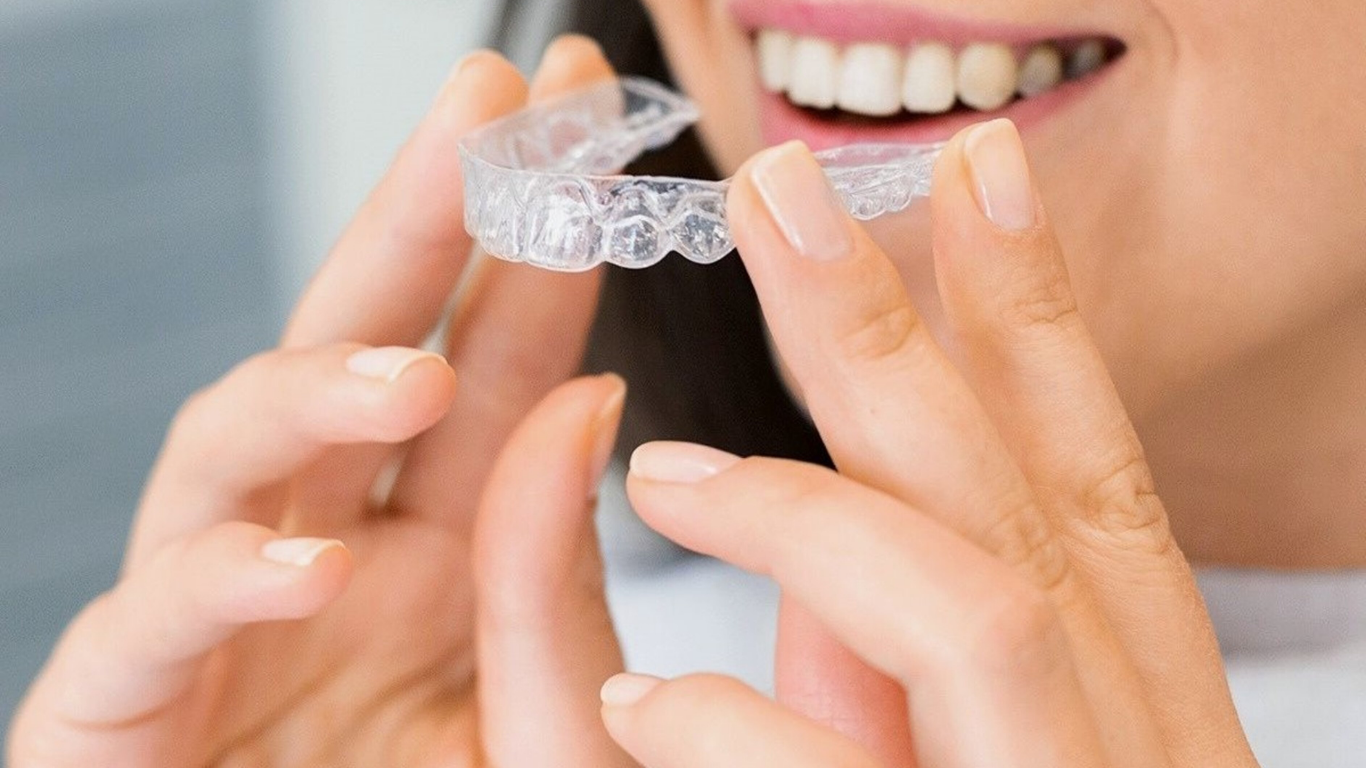
Here's the reassuring part first: in the vast majority of cases where Invisalign seems to have stalled, stopped tracking, or is running behind schedule, the fix is a refinement, not a restart. It's a genuinely annoying moment, watching a treatment you've stuck with for months seem to stop cooperating for no clear reason. But "not working as expected" covers a wide range of situations, from a single tray that won't seat flush to a timeline that's quietly slipped by six weeks, and most of them have a clear explanation and a straightforward next step. Invisalign works by using a series of custom, removable clear aligners, each slightly different from the last, to apply gentle, continuous pressure that gradually moves teeth into a planned position over roughly one to two weeks per tray. When that process doesn't go as expected, it's almost always tied to how consistently the aligners are worn, how well a given tray is tracking, or a plan that needs a mid-course adjustment. Quick Answer: Loose-fitting trays, teeth that seem stuck, or a schedule that's fallen behind are usually wear-time or tracking issues, not treatment failure. A dentist typically resolves this with a refinement: new scans and a short new series of aligners to finish the movement the original plan didn't quite complete. Key Takeaways Mild pressure for the first one to three days of a new tray is normal and means the aligner is doing its job. A tray that won't snap flush against your teeth after a couple of weeks is the clearest sign something's off. Not wearing aligners the full 20 to 22 hours a day is the single most common reason treatment slows down. A refinement means new scans and a short new set of aligners, not starting the whole plan over. Lost or loose attachments, the small tooth-colored bumps some plans use, can quietly stall how well a tray fits. Teens still growing sometimes need their plan reassessed partway through, which is normal rather than a sign anything went wrong. How Invisalign Is Supposed to Work Invisalign starts with a digital scan of your teeth, which gets turned into a 3D treatment plan mapping out exactly how each tooth needs to move, in what order, and over how many stages. From that plan, a lab produces a full series of clear aligner trays, each one a small step closer to the final position and each slightly different from the one before it. You wear one tray for about one to two weeks, then move to the next, and the plastic itself applies gentle, continuous pressure that encourages the bone around each tooth to remodel slowly around the new position. It's a slower process than traditional braces by design. That gradual pace is part of what makes it more comfortable and lets you keep wearing removable trays instead of fixed brackets and wires. For it to work the way it's planned, though, two things have to hold true: you need to actually wear the trays close to the full recommended 20 to 22 hours a day, and each tray needs to seat fully, or "track," before you move to the next one. When either of those breaks down, that's when people start to feel like Invisalign isn't working. What "Working" Actually Feels Like, Week to Week A new tray typically feels snug, sometimes a little too snug, for the first one to three days. That tightness is a good sign. It means the tray is applying pressure to teeth that haven't caught up to that stage yet. By day three or four, most people stop noticing it entirely, and the tray should sit flush against every tooth with no visible gap. That's the pattern to expect roughly a dozen times or more over the course of treatment: tight for a couple of days, comfortable and fully seated after that, repeat. If a tray still doesn't fit flush by the end of its second week, or the discomfort doesn't ease up at all, that's outside the normal pattern and worth mentioning at your next check-in rather than waiting. The Real Warning Signs Something's Off The Tray Won't Seat Flush Against Your Teeth This is called poor tracking, and it's the clearest physical sign that a tray isn't doing its job. You'll usually see it before you feel it: a visible gap between the aligner's edge and the tooth, especially near the back molars or along teeth that are rotating rather than just sliding. Poor tracking on one tray tends to compound, since each aligner is built assuming the tooth reached its target position in the tray before it. If tray four didn't fully seat, tray five is starting from a slightly different place than the plan expected, and the gap can widen from there rather than close on its own. Your Teeth Haven't Visibly Moved Since Your Last Check-In Progress with Invisalign is gradual, so this one takes a little patience to judge fairly. But if you're several trays into a stage and comparing photos shows genuinely no change, or a tooth that was supposed to be rotating looks exactly the same as it did a month ago, that's worth flagging. Sometimes it's simply a slower-moving tooth catching up to the rest of the plan. Sometimes it means a tray isn't tracking well enough to actually be moving that tooth at all. You're Consistently Behind the Planned Schedule Most Invisalign plans come with an estimated total timeline and a rough number of trays. Falling a tray or two behind because of a busy week is common and rarely matters much. Falling weeks behind, repeatedly, is a different story, and it's almost always tied back to wear time rather than anything wrong with the plan itself. If your original estimate was ten months and you're now six weeks past that with several stages left to go, that gap is worth a direct conversation rather than pushing forward and hoping it closes on its own. An Attachment Fell Off and You Didn't Notice Right Away Many Invisalign plans use small, tooth-colored composite bumps called attachments, bonded directly onto certain teeth, which give the aligner tray something to grip for more complex movements like rotation or extrusion. They're durable, but they can pop off, especially from chewing something hard or sticky. A missing attachment doesn't always hurt or feel obviously different, which is exactly why it can go unnoticed for a week or two while that particular tooth quietly stops moving as planned. If a tray suddenly feels different on one specific tooth compared to the rest of your mouth, running your tongue over that spot is worth doing. The Most Common Reason Treatment Stalls: Wear Time If there's one answer behind most "Invisalign isn't working" situations, it's this one. The 20-to-22-hour daily wear recommendation isn't a suggestion with room to spare; it's closer to a floor than a target. That leaves two to four hours a day for eating, drinking anything besides water, and brushing and flossing, combined. It's easy to underestimate how quickly that adds up: a long lunch, a coffee sipped slowly through the afternoon, forgetting to pop the tray back in after brushing before bed. Miss even three or four hours a day, every day, and a tray that was supposed to fully seat within two weeks might not get there at all before the next one is due. The math is unforgiving in a way that traditional braces, bonded permanently to the teeth, simply aren't. It's also the single most fixable cause on this entire list, since it's the one within a patient's direct control. What a Refinement Actually Involves When a treatment plan needs to catch up or fine-tune a few remaining movements, most dentists reach for a refinement rather than restarting from the beginning. That means a new digital scan of your teeth as they currently sit, not as they sat at the original consultation, and a new short series of aligners built to finish the specific movements the first series didn't quite complete. Refinements are a normal, planned part of Invisalign treatment for a meaningful share of cases, not a sign that something went unusually wrong. Depending on how much correction is needed, a refinement series might run anywhere from a handful of trays to a couple of months' worth. The wait time to get a refinement scanned, fabricated, and back in your hands is typically a few weeks, worth factoring in if you're trying to plan around a specific event like a wedding. Teens, Growth, and a Question Worth Asking at Your Next Visit Teen patients bring an added variable that adult cases don't: ongoing jaw and facial growth that can shift how a treatment plan needs to unfold partway through. A plan built at the start of treatment sometimes needs a genuine reassessment months in, not because anything was done wrong, but because a growing jaw isn't a fixed target the way an adult's is. How much a specific teen's plan might need to shift, and when, isn't something a general guide like this one can answer. That's a conversation worth having directly at the next check-in, especially for a patient who started treatment early in their teens rather than closer to adulthood. When to Call the Office Instead of Waiting It Out A tray that's uncomfortably tight for more than the first three or four days, one that visibly won't seat after two weeks, a lost attachment on a tooth you can feel is supposed to be moving, or a schedule that's slipped by more than a few weeks are all reasons to call rather than continue on your own. None of these are emergencies, but none of them tend to resolve by simply switching to the next tray and hoping for the best either.  Frequently Asked Questions (FAQs)
September 11, 2026
New crown hurts when you bite down? Learn how to tell a simple high bite from an infection, the warning signs to watch for, and when to see a Midland dentist.
August 21, 2026
A dentist typically recommends a dental crown when a tooth has a large crack, extensive decay, a failing filling, or has undergone root canal treatment, since these situations weaken the tooth structure beyond what a filling can support. At Dentistry of Midland, Dr. John K. Drisdale, DMD, FAGD, examines the extent of damage, the tooth's remaining structure, and the patient's bite before recommending a crown over a smaller restoration. A dental crown is usually recommended when a tooth is too damaged, weakened, or decayed for a filling to hold up. Common signs include a visible crack, a large old filling that's failing, sharp sensitivity to hot or cold, a tooth that's finished root canal treatment, or a tooth that's simply worn down from years of grinding. Dr. John K. Drisdale, DMD, FAGD, evaluates each of these factors during an exam before recommending a crown, and this guide walks through what he's actually looking for. What a Dental Crown Actually Does A dental crown is a custom-made cap that fits over the entire visible portion of a tooth, restoring its shape, strength, and appearance. Unlike a filling, which repairs a specific damaged area, a crown covers the whole tooth above the gumline. That full coverage is what makes it the right choice when a tooth is too compromised for a smaller repair to hold up under normal biting and chewing forces. Crowns are typically made from porcelain, ceramic, zirconia, or a metal alloy, depending on the tooth's location and the patient's priorities around appearance versus durability. Front teeth often use all-ceramic or porcelain crowns for a natural look, while back molars sometimes use zirconia or metal for added strength under heavier bite pressure. Five Signs a Dentist Looks For Before Recommending a Crown 1. A Crack That Extends Below the Gumline or Into the Tooth's Structure Not every crack requires a crown. Small surface cracks, sometimes called craze lines, are cosmetic and don't need treatment. But a crack that runs deep into the tooth, especially one that reaches the pulp or extends below the gumline, threatens the tooth's structural integrity. Left alone, that kind of crack can spread with normal chewing pressure until the tooth fractures. 2. A Large, Aging Filling That's Starting to Fail Fillings don't last forever. Over years of biting and chewing, a large filling can develop small gaps at the edges where bacteria sneak in, or the surrounding tooth structure can weaken from supporting an oversized restoration. When a filling covers more than roughly half the tooth's surface, a crown is often the more durable long-term fix. 3. Sharp Sensitivity to Hot, Cold, or Pressure Sensitivity that's sharp, sudden, and tied to a specific tooth (rather than generalized sensitivity across many teeth) can indicate that decay or a crack has reached closer to the nerve. This is one of the more common reasons patients schedule an exam in the first place, and it's a signal worth taking seriously rather than waiting out. 4. A Tooth That's Completed Root Canal Treatment Root canal treatment removes the infected or damaged pulp from inside a tooth, but that process also leaves the tooth more brittle than it was before. A crown placed after root canal treatment protects the tooth from fracturing under normal use, which is why it's a standard recommendation rather than an optional upgrade in most cases. 5. Significant Wear From Grinding or Long-Term Bite Issues Patients who grind their teeth at night, a habit called bruxism, can wear down tooth enamel over years without realizing it's happening. By the time wear is visible or a tooth starts to feel different when biting down, a crown can restore both the shape and the protective function that's been gradually lost. Quick Answer: With proper care, a dental crown typically lasts between 5 and 15 years, and some last significantly longer. Lifespan depends on the crown material, daily oral hygiene, and habits like teeth grinding. Regular checkups let a dentist catch early signs of wear before a crown needs replacement. What the Crown Procedure Involves Getting a crown at Dentistry of Midland generally takes place over two appointments, though some cases may be completed sooner using same-day technology depending on the tooth and material chosen. The general steps include: Preparing the tooth. The damaged or decayed portion is removed, and the tooth is reshaped to create room for the crown to fit properly. Taking an impression. A digital scan or physical impression captures the exact shape needed for the custom crown. Placing a temporary crown. While the permanent crown is fabricated, a temporary one protects the tooth. Fitting the permanent crown. Once ready, the permanent crown is checked for fit and bite alignment, then cemented into place. Dr. Drisdale's use of advanced imaging and precise digital impressions helps ensure the final crown fits comfortably and blends naturally with surrounding teeth from the first fitting. When a Crown Isn't the Right Call Not every damaged tooth needs a crown, and a thorough exam is what separates a case that needs one from a case that doesn't. Minor chips, small cavities, and cosmetic imperfections are often better addressed with a filling, bonding, or a veneer, all of which are less invasive and preserve more of the natural tooth. Part of choosing the right dentist is trusting that the recommendation matches the actual damage, not defaulting to the most extensive (and most expensive) option. Why Experience and Credentials Matter for Crown Recommendations Deciding between a filling, an inlay, and a full crown requires judgment built on experience. Dr. John K. Drisdale, DMD, is a Fellow of the Academy of General Dentistry (FAGD), a credential that reflects extensive continuing education in restorative techniques, and a member of the American Academy of Cosmetic Dentistry (AACD). He was also named a 2024 Super Dentist for West Texas. That combination of restorative training and cosmetic expertise means a crown recommendation accounts for both the tooth's structural needs and how the final result will look and feel. Frequently Asked Questions (FAQs)
More Posts