Professional Teeth Cleaning

Professional Teeth Cleaning: Exploring Its Benefits and Frequency

A radiant smile is one of our most striking features, and behind every bright smile is a solid oral hygiene routine. While daily brushing and flossing are fundamental, they are only part of the equation. For truly comprehensive oral health, professional teeth cleaning plays a pivotal role.


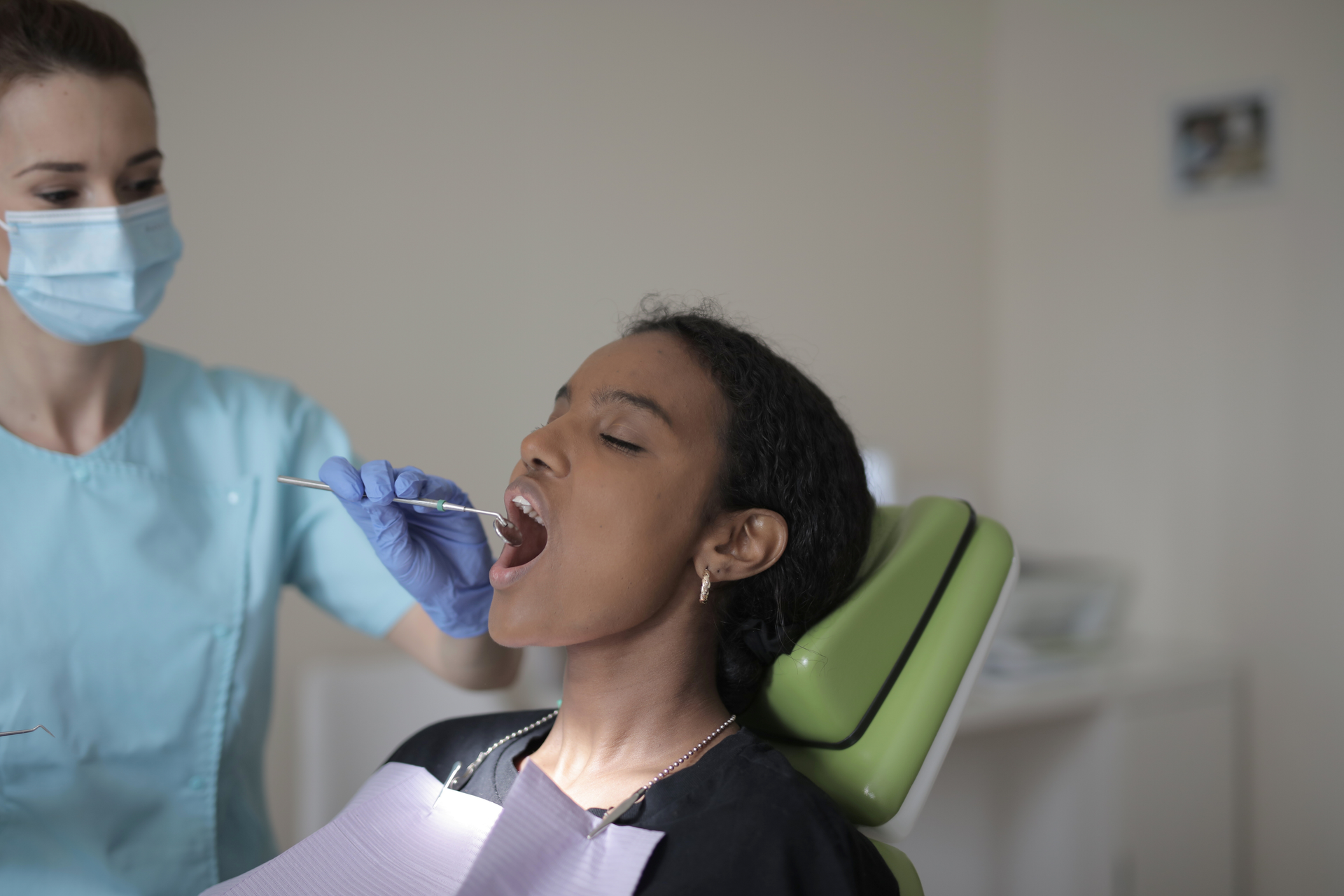
This routine dental procedure, carried out by skilled dental hygienists, helps keep our teeth gleaming, our gums healthy, and our overall oral health in check. Professional teeth cleaning can reach the nooks and crannies of our dental anatomy that daily home care might miss, ensuring a thorough cleanliness that's critical to preventing oral health complications.


So, let's delve deeper into the importance of this often underappreciated dental procedure, and discover how professional teeth cleaning forms an essential part of our dental health landscape

Benefits of Professional Teeth Cleaning

The significance of professional teeth cleaning stretches far beyond a sparkling smile. Here are some critical benefits that make it an indispensable component of oral health maintenance.


Plaque and Tartar Removal: Despite our best efforts, daily brushing and flossing can still leave traces of plaque, which can harden into tartar over time. Once formed, tartar is impossible to remove with regular brushing. During professional cleanings, dental hygienists use specialized tools to safely and effectively remove this build-up, preventing tooth decay and cavities.


Prevention of Gum Disease: Tartar build-up is a leading cause of gum disease, a condition that can lead to pain, gum recession, and eventual tooth loss. Regular professional cleanings help to stave off gum disease by keeping plaque and tartar in check.


Oral Cancer Detection: Routine dental cleanings also involve oral cancer screenings. Your dental hygienist and dentist are trained to spot early signs of oral cancer, which is highly treatable if detected early. Regular check-ups and cleanings, therefore, are not only about maintaining oral hygiene, but they also provide a crucial line of defense in safeguarding your overall health.


These advantages highlight why professional teeth cleaning is not a luxury, but rather a necessity - an investment in our long-term health, well-being, and of course, our smiles.

Frequency of Professional Teeth Cleaning

The general rule of thumb for teeth cleanings, widely endorsed by dental professionals, is twice a year or every six months. This frequency is typically sufficient for maintaining optimal oral health in most individuals.


However, it's important to note that everyone's oral health needs are unique and can change over time due to various factors. For instance, certain individuals are considered high-risk patients and may need professional cleanings more frequently.


High-risk groups include those with a history of gum disease or cavities, diabetics, smokers, and people with a weakened immune response to bacterial infection. Pregnancy can also necessitate more frequent dental cleanings due to hormonal changes that can affect gum health. For such individuals, dental professionals often recommend quarterly cleanings, or even more often in some cases.


Moreover, certain life stages or situations may require temporary changes to your dental cleaning frequency. These include orthodontic treatment phases, where food and bacteria can more easily hide in the braces and wiring, necessitating more frequent cleanings.


The bottom line is that while twice a year serves as a general guideline, the ideal frequency of professional teeth cleaning should be determined in consultation with your dentist or dental hygienist based on your individual risk factors and oral health status.

Gum Disease: A Closer Look and Its Prevention

Gum disease, also known as periodontal disease, is a chronic inflammatory condition affecting the gums and supporting structures of the teeth. It begins as a relatively harmless bacterial growth called gingivitis but can progress to a more severe condition known as periodontitis if left untreated.


Gingivitis, the early stage of gum disease, is characterized by redness, swelling, and bleeding gums during brushing or flossing. If not addressed, gingivitis can evolve into periodontitis, which results in the gums pulling away from the teeth, creating pockets that become infected. Over time, these infections can lead to the destruction of gum tissue and bone, leading to tooth loss.


Beyond the oral cavity, gum disease has been linked to several systemic health conditions, including heart disease, diabetes, respiratory diseases, and even certain types of cancer. The inflammation in the gums can spread through the bloodstream, contributing to inflammation in other parts of the body and potentially exacerbating these health conditions.


Professional teeth cleaning plays a pivotal role in preventing gum disease. By regularly removing plaque and tartar – the primary culprits behind gum disease – dental cleanings can keep your gums healthy and disease-free. Additionally, dental hygienists can identify early signs of gum disease that may be missed at home, enabling early intervention and preventing further progression.


It's also essential to remember that effective gum disease prevention extends beyond the dental office. Regular brushing, flossing, and maintaining a healthy lifestyle complement professional cleanings in keeping gum disease at bay.


Thus, professional teeth cleaning, combined with good oral hygiene habits, forms a powerful duo in the battle against gum disease.

Role of Dental Hygienists: Educating for a Brighter, Healthier Smile

Dental hygienists wear many hats, from conducting cleanings to screening for oral health conditions. However, one of their most crucial roles is that of an educator. They have the vital task of guiding patients towards healthier oral hygiene habits and preventing disease.


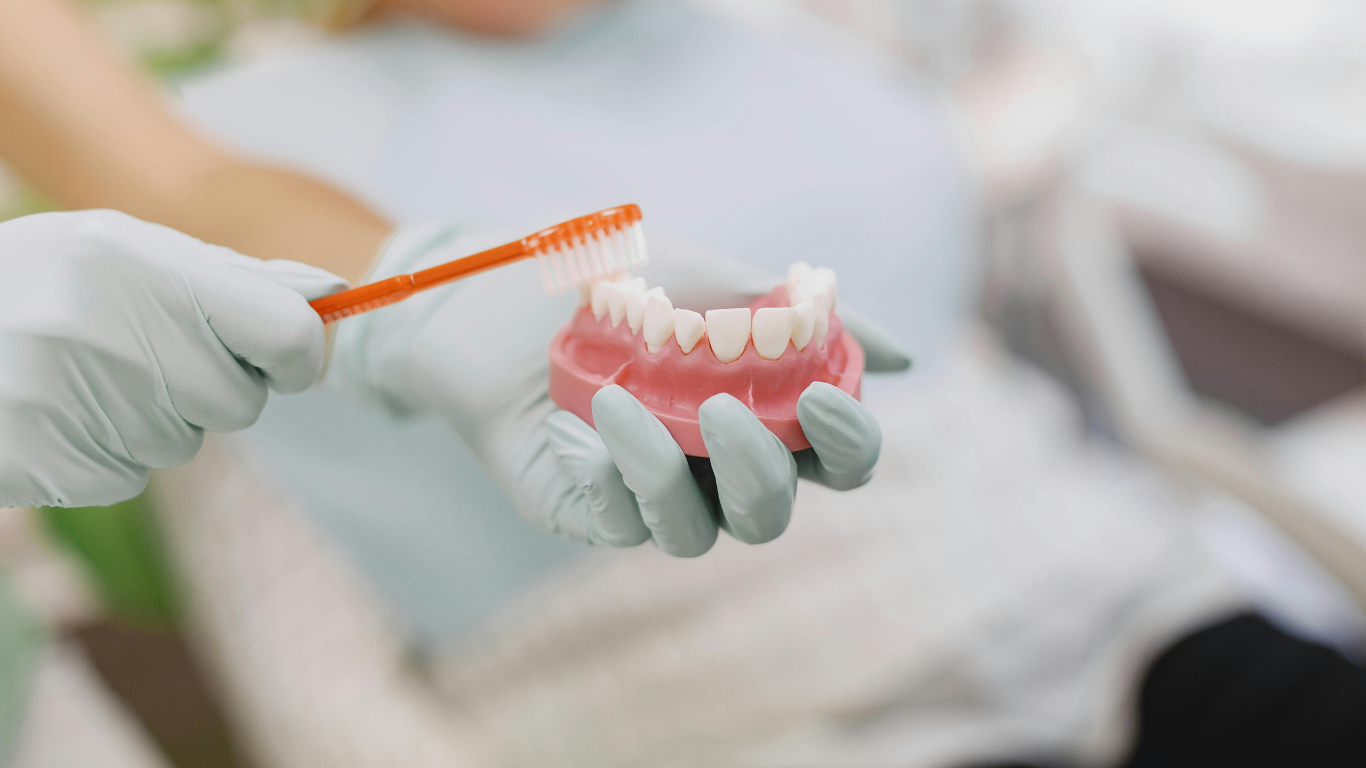
A significant part of every cleaning appointment involves providing patient education. Dental hygienists take the time to discuss and demonstrate proper brushing and flossing techniques, ensuring patients are equipped with the knowledge to effectively remove plaque at home.


In addition to these practical demonstrations, dental hygienists also educate patients about the relationship between diet and oral health, advising on foods and drinks that can help maintain strong, healthy teeth, and those that can cause harm. They also provide advice on quitting tobacco and managing alcohol consumption, both of which can drastically impact oral and overall health.


Dental hygienists are also trained to recognize signs of oral health conditions like gum disease and oral cancer. They educate patients about these conditions, their risks, and the importance of early detection, empowering them to take proactive steps towards prevention.


Moreover, dental hygienists help patients understand the procedures and treatments they might undergo, making the dental experience less daunting. They play a vital role in alleviating dental anxiety, which can often be a barrier to seeking dental care.


In essence, dental hygienists are the educators of the dental world. Through their dedicated patient education efforts, they not only promote healthier oral hygiene habits but also foster a better understanding of how oral health impacts our overall well-being.

Conclusion

In the pursuit of optimal oral health, regular professional teeth cleaning is as essential as daily brushing and flossing. It is an investment that pays dividends in the form of a healthier, brighter smile, and a robust defense against oral diseases. It also fosters a deeper understanding of our oral health, equipping us with the knowledge we need to maintain healthy teeth and gums.


Remember, your dental team is your partner in this journey. The expertise and guidance they offer, from hygienists teaching proper oral hygiene techniques to dentists providing thorough oral health evaluations, are invaluable assets in maintaining your oral and overall health.


So, why wait? Take a proactive step for your oral health today. Schedule your professional teeth cleaning session, and embark on a path to a healthier, brighter smile. Because when it comes to your oral health, every bit of care matters. Remember, a healthy mouth is a gateway to a healthy body.

Frequently Asked Questions and Expert Answers
  • What constitutes a high-risk patient who may need more than two cleanings per year?

    High-risk patients are those with conditions or habits that increase their likelihood of developing oral health problems, particularly gum disease and tooth decay. These include individuals with a history of gum disease or cavities, smokers, diabetics, people with weakened immune systems, and pregnant women. These patients may need more frequent professional cleanings – as often as every three months – to maintain optimal oral health.

  • How can professional teeth cleaning contribute to the early detection of oral cancer?

    During a professional teeth cleaning session, the dental hygienist and dentist also conduct an oral cancer screening. They are trained to spot early signs of oral cancer, such as unusual lumps, sores, discolorations, or changes in the tissue of the mouth, throat, and tongue. These routine screenings can lead to early detection, which significantly improves the prognosis of oral cancer.

  • What specific oral hygiene instructions can I expect from a dental hygienist?

    Dental hygienists typically educate patients on proper brushing and flossing techniques. They may demonstrate the correct angle to hold a toothbrush (45 degrees to the gum line), the importance of using soft strokes to avoid gum damage, and the need to clean all surfaces of the teeth. They will also show how to effectively use dental floss and interdental brushes. In addition, they can provide advice on diet, smoking cessation, and the use of oral care products like mouthwash or a suitable toothpaste.

  • What are the potential consequences if gum disease goes untreated?

    If left untreated, gum disease can progress from gingivitis to a more serious form known as periodontitis. This can result in damage to the gum tissue and the bone that supports the teeth, potentially leading to loose teeth or even tooth loss. Additionally, gum disease has been linked to systemic health issues, including heart disease, diabetes, respiratory problems, and certain types of cancer. Regular professional teeth cleanings can help prevent gum disease, highlighting their importance in maintaining overall health.

  • Can professional teeth cleaning cause damage to my teeth or gums?

    Professional teeth cleaning is a safe procedure when performed by a trained dental professional. However, if not done correctly, it could potentially cause damage. Overly aggressive cleaning could lead to gum irritation or enamel wear. This is why it's essential to have your teeth cleaned by a qualified dental hygienist or dentist, who will ensure the cleaning is thorough yet gentle, protecting your oral health while preserving the integrity of your teeth and gums.

  • What constitutes a high-risk patient who may need more than two cleanings per year?

    High-risk patients are those with conditions or habits that increase their likelihood of developing oral health problems, particularly gum disease and tooth decay. These include individuals with a history of gum disease or cavities, smokers, diabetics, people with weakened immune systems, and pregnant women. These patients may need more frequent professional cleanings – as often as every three months – to maintain optimal oral health.

  • How can professional teeth cleaning contribute to the early detection of oral cancer?

    During a professional teeth cleaning session, the dental hygienist and dentist also conduct an oral cancer screening. They are trained to spot early signs of oral cancer, such as unusual lumps, sores, discolorations, or changes in the tissue of the mouth, throat, and tongue. These routine screenings can lead to early detection, which significantly improves the prognosis of oral cancer.

  • What specific oral hygiene instructions can I expect from a dental hygienist?

    Dental hygienists typically educate patients on proper brushing and flossing techniques. They may demonstrate the correct angle to hold a toothbrush (45 degrees to the gum line), the importance of using soft strokes to avoid gum damage, and the need to clean all surfaces of the teeth. They will also show how to effectively use dental floss and interdental brushes. In addition, they can provide advice on diet, smoking cessation, and the use of oral care products like mouthwash or a suitable toothpaste.

  • What are the potential consequences if gum disease goes untreated?

    If left untreated, gum disease can progress from gingivitis to a more serious form known as periodontitis. This can result in damage to the gum tissue and the bone that supports the teeth, potentially leading to loose teeth or even tooth loss. Additionally, gum disease has been linked to systemic health issues, including heart disease, diabetes, respiratory problems, and certain types of cancer. Regular professional teeth cleanings can help prevent gum disease, highlighting their importance in maintaining overall health.

  • Can professional teeth cleaning cause damage to my teeth or gums?

    Professional teeth cleaning is a safe procedure when performed by a trained dental professional. However, if not done correctly, it could potentially cause damage. Overly aggressive cleaning could lead to gum irritation or enamel wear. This is why it's essential to have your teeth cleaned by a qualified dental hygienist or dentist, who will ensure the cleaning is thorough yet gentle, protecting your oral health while preserving the integrity of your teeth and gums.

September 11, 2026
Here's the reassuring part first: in the vast majority of cases where Invisalign seems to have stalled, stopped tracking, or is running behind schedule, the fix is a refinement, not a restart. It's a genuinely annoying moment, watching a treatment you've stuck with for months seem to stop cooperating for no clear reason. But "not working as expected" covers a wide range of situations, from a single tray that won't seat flush to a timeline that's quietly slipped by six weeks, and most of them have a clear explanation and a straightforward next step. Invisalign works by using a series of custom, removable clear aligners, each slightly different from the last, to apply gentle, continuous pressure that gradually moves teeth into a planned position over roughly one to two weeks per tray. When that process doesn't go as expected, it's almost always tied to how consistently the aligners are worn, how well a given tray is tracking, or a plan that needs a mid-course adjustment. Quick Answer: Loose-fitting trays, teeth that seem stuck, or a schedule that's fallen behind are usually wear-time or tracking issues, not treatment failure. A dentist typically resolves this with a refinement: new scans and a short new series of aligners to finish the movement the original plan didn't quite complete. Key Takeaways Mild pressure for the first one to three days of a new tray is normal and means the aligner is doing its job. A tray that won't snap flush against your teeth after a couple of weeks is the clearest sign something's off. Not wearing aligners the full 20 to 22 hours a day is the single most common reason treatment slows down. A refinement means new scans and a short new set of aligners, not starting the whole plan over. Lost or loose attachments, the small tooth-colored bumps some plans use, can quietly stall how well a tray fits. Teens still growing sometimes need their plan reassessed partway through, which is normal rather than a sign anything went wrong. How Invisalign Is Supposed to Work Invisalign starts with a digital scan of your teeth, which gets turned into a 3D treatment plan mapping out exactly how each tooth needs to move, in what order, and over how many stages. From that plan, a lab produces a full series of clear aligner trays, each one a small step closer to the final position and each slightly different from the one before it. You wear one tray for about one to two weeks, then move to the next, and the plastic itself applies gentle, continuous pressure that encourages the bone around each tooth to remodel slowly around the new position. It's a slower process than traditional braces by design. That gradual pace is part of what makes it more comfortable and lets you keep wearing removable trays instead of fixed brackets and wires. For it to work the way it's planned, though, two things have to hold true: you need to actually wear the trays close to the full recommended 20 to 22 hours a day, and each tray needs to seat fully, or "track," before you move to the next one. When either of those breaks down, that's when people start to feel like Invisalign isn't working. What "Working" Actually Feels Like, Week to Week A new tray typically feels snug, sometimes a little too snug, for the first one to three days. That tightness is a good sign. It means the tray is applying pressure to teeth that haven't caught up to that stage yet. By day three or four, most people stop noticing it entirely, and the tray should sit flush against every tooth with no visible gap. That's the pattern to expect roughly a dozen times or more over the course of treatment: tight for a couple of days, comfortable and fully seated after that, repeat. If a tray still doesn't fit flush by the end of its second week, or the discomfort doesn't ease up at all, that's outside the normal pattern and worth mentioning at your next check-in rather than waiting. The Real Warning Signs Something's Off The Tray Won't Seat Flush Against Your Teeth This is called poor tracking, and it's the clearest physical sign that a tray isn't doing its job. You'll usually see it before you feel it: a visible gap between the aligner's edge and the tooth, especially near the back molars or along teeth that are rotating rather than just sliding. Poor tracking on one tray tends to compound, since each aligner is built assuming the tooth reached its target position in the tray before it. If tray four didn't fully seat, tray five is starting from a slightly different place than the plan expected, and the gap can widen from there rather than close on its own. Your Teeth Haven't Visibly Moved Since Your Last Check-In Progress with Invisalign is gradual, so this one takes a little patience to judge fairly. But if you're several trays into a stage and comparing photos shows genuinely no change, or a tooth that was supposed to be rotating looks exactly the same as it did a month ago, that's worth flagging. Sometimes it's simply a slower-moving tooth catching up to the rest of the plan. Sometimes it means a tray isn't tracking well enough to actually be moving that tooth at all. You're Consistently Behind the Planned Schedule Most Invisalign plans come with an estimated total timeline and a rough number of trays. Falling a tray or two behind because of a busy week is common and rarely matters much. Falling weeks behind, repeatedly, is a different story, and it's almost always tied back to wear time rather than anything wrong with the plan itself. If your original estimate was ten months and you're now six weeks past that with several stages left to go, that gap is worth a direct conversation rather than pushing forward and hoping it closes on its own. An Attachment Fell Off and You Didn't Notice Right Away Many Invisalign plans use small, tooth-colored composite bumps called attachments, bonded directly onto certain teeth, which give the aligner tray something to grip for more complex movements like rotation or extrusion. They're durable, but they can pop off, especially from chewing something hard or sticky. A missing attachment doesn't always hurt or feel obviously different, which is exactly why it can go unnoticed for a week or two while that particular tooth quietly stops moving as planned. If a tray suddenly feels different on one specific tooth compared to the rest of your mouth, running your tongue over that spot is worth doing. The Most Common Reason Treatment Stalls: Wear Time If there's one answer behind most "Invisalign isn't working" situations, it's this one. The 20-to-22-hour daily wear recommendation isn't a suggestion with room to spare; it's closer to a floor than a target. That leaves two to four hours a day for eating, drinking anything besides water, and brushing and flossing, combined. It's easy to underestimate how quickly that adds up: a long lunch, a coffee sipped slowly through the afternoon, forgetting to pop the tray back in after brushing before bed. Miss even three or four hours a day, every day, and a tray that was supposed to fully seat within two weeks might not get there at all before the next one is due. The math is unforgiving in a way that traditional braces, bonded permanently to the teeth, simply aren't. It's also the single most fixable cause on this entire list, since it's the one within a patient's direct control. What a Refinement Actually Involves When a treatment plan needs to catch up or fine-tune a few remaining movements, most dentists reach for a refinement rather than restarting from the beginning. That means a new digital scan of your teeth as they currently sit, not as they sat at the original consultation, and a new short series of aligners built to finish the specific movements the first series didn't quite complete. Refinements are a normal, planned part of Invisalign treatment for a meaningful share of cases, not a sign that something went unusually wrong. Depending on how much correction is needed, a refinement series might run anywhere from a handful of trays to a couple of months' worth. The wait time to get a refinement scanned, fabricated, and back in your hands is typically a few weeks, worth factoring in if you're trying to plan around a specific event like a wedding. Teens, Growth, and a Question Worth Asking at Your Next Visit Teen patients bring an added variable that adult cases don't: ongoing jaw and facial growth that can shift how a treatment plan needs to unfold partway through. A plan built at the start of treatment sometimes needs a genuine reassessment months in, not because anything was done wrong, but because a growing jaw isn't a fixed target the way an adult's is. How much a specific teen's plan might need to shift, and when, isn't something a general guide like this one can answer. That's a conversation worth having directly at the next check-in, especially for a patient who started treatment early in their teens rather than closer to adulthood. When to Call the Office Instead of Waiting It Out A tray that's uncomfortably tight for more than the first three or four days, one that visibly won't seat after two weeks, a lost attachment on a tooth you can feel is supposed to be moving, or a schedule that's slipped by more than a few weeks are all reasons to call rather than continue on your own. None of these are emergencies, but none of them tend to resolve by simply switching to the next tray and hoping for the best either.  Frequently Asked Questions (FAQs)
September 11, 2026
Two days after Maria's new crown went in, she still couldn't chew on that side of her mouth. Every bite sent a jolt straight up into her jaw, and by the third day she was eating soup for dinner and wondering if something had gone wrong. That's a frustrating position to be in, especially right after paying for a new crown. It's also one of the more common calls a dental office gets after a crown appointment: "It's fine until I bite down, then it hurts." The tricky part is that this single symptom can point to two very different problems, one a five-minute fix and one that needs real attention. A crown that hurts specifically when you bite down is usually caused by the crown sitting a fraction of a millimeter too high, a problem dentists call occlusal interference, and it's corrected in minutes by filing down the high spot. If the pain lingers after you release the bite, throbs on its own, or wakes you at night, it points instead toward an infection developing under or around the tooth. Quick Answer: Pain only while biting, gone the instant you stop, is almost always a bite adjustment issue. Pain that lingers, comes with swelling, or shows up as a small bump on the gum near the crown is a different problem and needs an exam within a day or two, not a wait-and-see approach. Key Takeaways Pain right when you bite is usually mechanical: a crown sitting slightly too high. Pain that lingers, throbs, or wakes you at night is more likely a sign of infection underneath the crown. A pimple-like bump on the gum near the crown is a fistula, meaning an infection is already draining somewhere. Left untreated, an infected tooth under a crown can develop into an abscess that spreads into the jaw. A same-day bite adjustment fixes most "hurts when I bite" complaints; an X-ray and cold test rule out infection. Waiting rarely makes this better, and it sometimes turns a simple fix into a root canal. If you're reading this with an ice pack against your jaw right now, the comparison section further down is the fastest place to find your answer. When "Hurts When I Bite" Means Something Different Maria's dentist ran through the same short list any dentist runs through when a patient reports pain tied specifically to pressure. That specificity matters. A tooth that aches constantly, whether you're biting or not, points toward the nerve. A tooth that only complains under load points toward something mechanical, at least at first. New crowns are especially prone to this because a crown is built from an impression taken before the final cement sets, and even a small miscalculation in height can leave one tooth absorbing more force than its neighbors every time you chew. The good news is that mechanical problems are the more common of the two, and they're also the easier fix. The less good news is that a crown placed over a tooth with hidden decay, a hairline crack, or a nerve already under stress can develop real trouble that happens to announce itself with the exact same complaint: it hurts when I bite. Telling the two apart from the outside is part of what an exam is for, but there are patterns worth knowing before you ever pick up the phone. Five Reasons a Crown Hurts Under Pressure 1. The Crown Is Sitting a Little Too High This is occlusal interference, and it's the single most common reason for post-crown biting pain. When a crown is cemented even slightly higher than the surrounding teeth, that tooth takes the first and hardest hit every time the jaw closes, long before the other teeth share the load. The tooth's ligament, the soft tissue anchoring it in the bone, reacts to that overload the same way a bruised toe reacts to a tight shoe: sore under pressure, quiet otherwise. Patients often describe it as a bite that "doesn't feel right," even before it hurts outright. A dentist checks this with a thin strip of colored articulating paper. You bite down, the paper marks the high spot, and a few passes with a polishing bur bring the crown back into line with the rest of your bite. 2. The Cement Has Started to Wash Out Crowns are cemented, not glued in the way most people picture. Over months or years, the thin cement layer under the crown can wear down at the margin, the edge where crown meets natural tooth. Once that seal is compromised, chewing forces flex the crown slightly against the tooth underneath, and bacteria gets a path in that wasn't there before. This tends to show up gradually rather than right after a new crown, and it's often accompanied by a faint bad taste or a crown that feels like it shifts slightly when you press on it with your tongue. 3. Decay Has Started Under the Margin A crown covers the visible part of a tooth, but it doesn't make that tooth immune to cavities. Decay can start at the margin and work its way inward without ever being visible from the outside. Because it's hidden under porcelain or ceramic, patients usually don't notice it until it's deep enough to cause sensitivity to pressure or temperature. This is one of the reasons dentists x-ray crowned teeth at routine checkups even when nothing looks wrong on the surface. Caught early, margin decay is a straightforward filling. Left alone, it can progress to the pulp and turn into the kind of infection this article keeps circling back to. 4. There's a Crack in the Tooth Underneath Teeth that needed a crown in the first place were often already compromised: a large filling, a root canal, or heavy wear from grinding. That history can leave a hairline crack in the tooth structure below the crown, one too fine to show up on a standard X-ray. Cracked tooth syndrome has a fairly specific fingerprint: sharp pain on release of a bite rather than during it, often triggered by chewing on one particular side. It's an uncomfortable diagnosis to land on because cracks like this don't always show themselves clearly, and confirming one sometimes takes a bite test with a small plastic stick pressed against individual cusps of the tooth. 5. An Infection Has Developed Inside or Below the Tooth This is the scenario worth taking seriously. If the nerve inside a crowned tooth becomes inflamed or dies, pressure while biting can aggravate a pocket of infection at the root tip. Unlike a simple high bite, an infection rarely stays quiet between meals. It tends to announce itself with throbbing that continues after you stop chewing, sensitivity to hot that lingers for a full minute or longer instead of fading in seconds, tenderness when you press on the gum near the root, and sometimes a small, soft bump on the gum that looks almost like a pimple. That bump is a fistula, and it means the body has already found a way to drain the infection on its own, which is not the same thing as the infection resolving on its own. A tooth can carry an infection like this for weeks with only mild symptoms before it flares. Telling the Two Apart Before You Call A short mental checklist helps here, even though nothing replaces an actual exam. Pain that starts the instant you bite and disappears the instant you stop usually means bite height. Pain that lingers for minutes, builds through the day, or wakes you at 2 a.m. usually means something is happening inside the tooth. Swelling anywhere along the gumline near the crown is never a bite issue; it's a sign of infection until proven otherwise. A faint, persistent bad taste on that side of your mouth, especially paired with tenderness, points toward a cement seal that's failed rather than a purely mechanical problem. And if you press gently on the gum above the tooth and it's noticeably more tender than the same spot on the other side of your mouth, that's worth mentioning specifically when you call, since it helps the front desk decide how quickly to get you in. If you've been quietly hoping this will just go away on its own, it's worth saying plainly: infections under a crown very rarely resolve without treatment. What Actually Happens at the Exam An exam for this specific complaint usually takes less time than patients expect. Dr. Drisdale starts with percussion testing, a gentle tap on the crowned tooth and its neighbors with the back of a mirror handle, comparing how each one responds. A tooth with an active infection at the root typically reacts noticeably more than the teeth around it. Cold testing follows, checking whether the nerve inside still responds normally, responds with lingering pain, or doesn't respond at all, each of which points toward a different diagnosis. Articulating paper checks bite height directly. A digital X-ray rounds out the exam, showing whether there's a dark shadow at the root tip, the classic sign of a periapical infection, or whether the bone and root look normal and the problem really is mechanical. Most patients walk in without knowing which of these applies to them and walk out with a clear answer within about twenty minutes. Treatment Depends Entirely on the Cause If it's a high bite, treatment is often finished in the same visit: a few minutes with a polishing bur and a recheck with the articulating paper. If the cement seal has failed, the crown may be removed, cleaned, and recemented, sometimes with a temporary crown in place while a new one is fabricated if the old one no longer fits well. Margin decay caught early usually means removing the crown, treating the decay like a standard filling, and placing a new crown, since porcelain crowns can't simply be patched. A confirmed infection changes the plan more significantly. That typically means root canal treatment to remove the infected pulp, followed by a new crown once the tooth has healed, since a tooth that's had a root canal is more brittle and needs that crown's protection going forward. In the rare case where the infection has caused too much bone loss to save the tooth, extraction and a replacement option, like an implant, gets discussed instead. What Waiting Does, in Plain Terms An infection under a crown doesn't stay contained forever. Left alone, it can spread from the root tip into the surrounding jawbone, and from there into the soft tissue of the face, which is how a manageable dental problem turns into an emergency room visit. That progression can take weeks or, in some cases, just days once it accelerates. It's also worth knowing that pain sometimes decreases temporarily as an infection progresses, not because it's healing, but because the nerve inside the tooth has died and stopped signaling. A quiet tooth is not the same thing as a healthy one. Protecting a New Crown Before Your Follow-Up If you're a few days out from a new crown and waiting on a follow-up appointment: chew on the opposite side of your mouth, skip anything hard, sticky, or icy on that tooth, and avoid extreme hot or cold if the tooth is sensitive. Over-the-counter pain relief can manage mild discomfort in the meantime, but it shouldn't be the plan for more than a day or two. If swelling, throbbing, or a fever shows up at any point, that's a same-day call, not a wait-and-see situation. Frequently Asked Questions (FAQs)
August 21, 2026
A dentist typically recommends a dental crown when a tooth has a large crack, extensive decay, a failing filling, or has undergone root canal treatment, since these situations weaken the tooth structure beyond what a filling can support. At Dentistry of Midland, Dr. John K. Drisdale, DMD, FAGD, examines the extent of damage, the tooth's remaining structure, and the patient's bite before recommending a crown over a smaller restoration. A dental crown is usually recommended when a tooth is too damaged, weakened, or decayed for a filling to hold up. Common signs include a visible crack, a large old filling that's failing, sharp sensitivity to hot or cold, a tooth that's finished root canal treatment, or a tooth that's simply worn down from years of grinding. Dr. John K. Drisdale, DMD, FAGD, evaluates each of these factors during an exam before recommending a crown, and this guide walks through what he's actually looking for. What a Dental Crown Actually Does A dental crown is a custom-made cap that fits over the entire visible portion of a tooth, restoring its shape, strength, and appearance. Unlike a filling, which repairs a specific damaged area, a crown covers the whole tooth above the gumline. That full coverage is what makes it the right choice when a tooth is too compromised for a smaller repair to hold up under normal biting and chewing forces. Crowns are typically made from porcelain, ceramic, zirconia, or a metal alloy, depending on the tooth's location and the patient's priorities around appearance versus durability. Front teeth often use all-ceramic or porcelain crowns for a natural look, while back molars sometimes use zirconia or metal for added strength under heavier bite pressure. Five Signs a Dentist Looks For Before Recommending a Crown 1. A Crack That Extends Below the Gumline or Into the Tooth's Structure Not every crack requires a crown. Small surface cracks, sometimes called craze lines, are cosmetic and don't need treatment. But a crack that runs deep into the tooth, especially one that reaches the pulp or extends below the gumline, threatens the tooth's structural integrity. Left alone, that kind of crack can spread with normal chewing pressure until the tooth fractures. 2. A Large, Aging Filling That's Starting to Fail Fillings don't last forever. Over years of biting and chewing, a large filling can develop small gaps at the edges where bacteria sneak in, or the surrounding tooth structure can weaken from supporting an oversized restoration. When a filling covers more than roughly half the tooth's surface, a crown is often the more durable long-term fix. 3. Sharp Sensitivity to Hot, Cold, or Pressure Sensitivity that's sharp, sudden, and tied to a specific tooth (rather than generalized sensitivity across many teeth) can indicate that decay or a crack has reached closer to the nerve. This is one of the more common reasons patients schedule an exam in the first place, and it's a signal worth taking seriously rather than waiting out. 4. A Tooth That's Completed Root Canal Treatment Root canal treatment removes the infected or damaged pulp from inside a tooth, but that process also leaves the tooth more brittle than it was before. A crown placed after root canal treatment protects the tooth from fracturing under normal use, which is why it's a standard recommendation rather than an optional upgrade in most cases. 5. Significant Wear From Grinding or Long-Term Bite Issues Patients who grind their teeth at night, a habit called bruxism, can wear down tooth enamel over years without realizing it's happening. By the time wear is visible or a tooth starts to feel different when biting down, a crown can restore both the shape and the protective function that's been gradually lost. Quick Answer: With proper care, a dental crown typically lasts between 5 and 15 years, and some last significantly longer. Lifespan depends on the crown material, daily oral hygiene, and habits like teeth grinding. Regular checkups let a dentist catch early signs of wear before a crown needs replacement. What the Crown Procedure Involves Getting a crown at Dentistry of Midland generally takes place over two appointments, though some cases may be completed sooner using same-day technology depending on the tooth and material chosen. The general steps include: Preparing the tooth. The damaged or decayed portion is removed, and the tooth is reshaped to create room for the crown to fit properly. Taking an impression. A digital scan or physical impression captures the exact shape needed for the custom crown. Placing a temporary crown. While the permanent crown is fabricated, a temporary one protects the tooth. Fitting the permanent crown. Once ready, the permanent crown is checked for fit and bite alignment, then cemented into place. Dr. Drisdale's use of advanced imaging and precise digital impressions helps ensure the final crown fits comfortably and blends naturally with surrounding teeth from the first fitting. When a Crown Isn't the Right Call Not every damaged tooth needs a crown, and a thorough exam is what separates a case that needs one from a case that doesn't. Minor chips, small cavities, and cosmetic imperfections are often better addressed with a filling, bonding, or a veneer, all of which are less invasive and preserve more of the natural tooth. Part of choosing the right dentist is trusting that the recommendation matches the actual damage, not defaulting to the most extensive (and most expensive) option. Why Experience and Credentials Matter for Crown Recommendations Deciding between a filling, an inlay, and a full crown requires judgment built on experience. Dr. John K. Drisdale, DMD, is a Fellow of the Academy of General Dentistry (FAGD), a credential that reflects extensive continuing education in restorative techniques, and a member of the American Academy of Cosmetic Dentistry (AACD). He was also named a 2024 Super Dentist for West Texas. That combination of restorative training and cosmetic expertise means a crown recommendation accounts for both the tooth's structural needs and how the final result will look and feel. Frequently Asked Questions (FAQs)
More Posts