DENTAL CROWNS & BRIDGES IN MIDLAND, TX

IT'S TIME TO SMILE WITH PRIDE AGAIN

  • What are dental implants made of?

    Dental implants are primarily made of titanium, a biocompatible material that is accepted by the body and serves as a strong and sturdy foundation for replacement teeth.

  • How do dental implants prevent bone loss?

    Unlike traditional dentures, dental implants mimic the function of a natural tooth root, stimulating the jawbone when you chew. This stimulation helps maintain jawbone density, preventing the bone loss typically associated with missing teeth.

  • Can dental implants replace multiple teeth?

    Absolutely, dental implants can replace one, multiple, or all missing teeth. Implant-supported bridges or dentures are often used when multiple teeth are missing.

  • What are All-on-4 and All-on-6 restorations?

    All-on-4 and All-on-6 are techniques that use four or six implants, respectively, to support a full-arch prosthesis. These solutions are often recommended for patients who are missing all their teeth in one or both arches.

  • Do dental implants require special care?

    Dental implants should be cared for like natural teeth: regular brushing, flossing, and dental check-ups are essential. Although they can't decay, the gums around them can still get gum disease.

  • What is the success rate of dental implant surgery?

    Dental implant surgery has a high success rate, often above 95%. However, success can depend on the dental health of the individual, where in the jaw the implants are placed, and the professional's skill.

  • Are dental implants safe?

    Yes, dental implants are a safe and well-established treatment. Like natural teeth, they will last for a long time if cared for properly.

  • Can anyone get dental implants?

    Most people who are in good general health and have healthy gums and enough bone in the jaw to hold an implant can get dental implants. However, they may not be suitable for everyone, including smokers or individuals with certain chronic diseases.

  • How long does the procedure for dental implants take?

    The procedure can vary depending on the number of implants and the patient's specific condition. Generally, the process, from consultation to the final placement of the implant, can take a few months.

  • How much do dental implants cost, and does insurance cover them?

    The cost of dental implants can vary depending on various factors, including the number of implants and whether bone grafts are needed. Some dental insurance plans do cover part of the cost of implants, but it varies by carrier and plan. It's best to check with your insurance provider for specifics about your coverage.

Crowns and bridges have long been an excellent option in Restorative Dentistry for both tooth repair and replacement. Unlike removable partials and dentures that can come loose and must be taken out for cleaning, crowns and bridges are cemented in place. With dental crowns and bridges in Midland, TX, Dr. Drisdale can restore both the form and function of your smile.
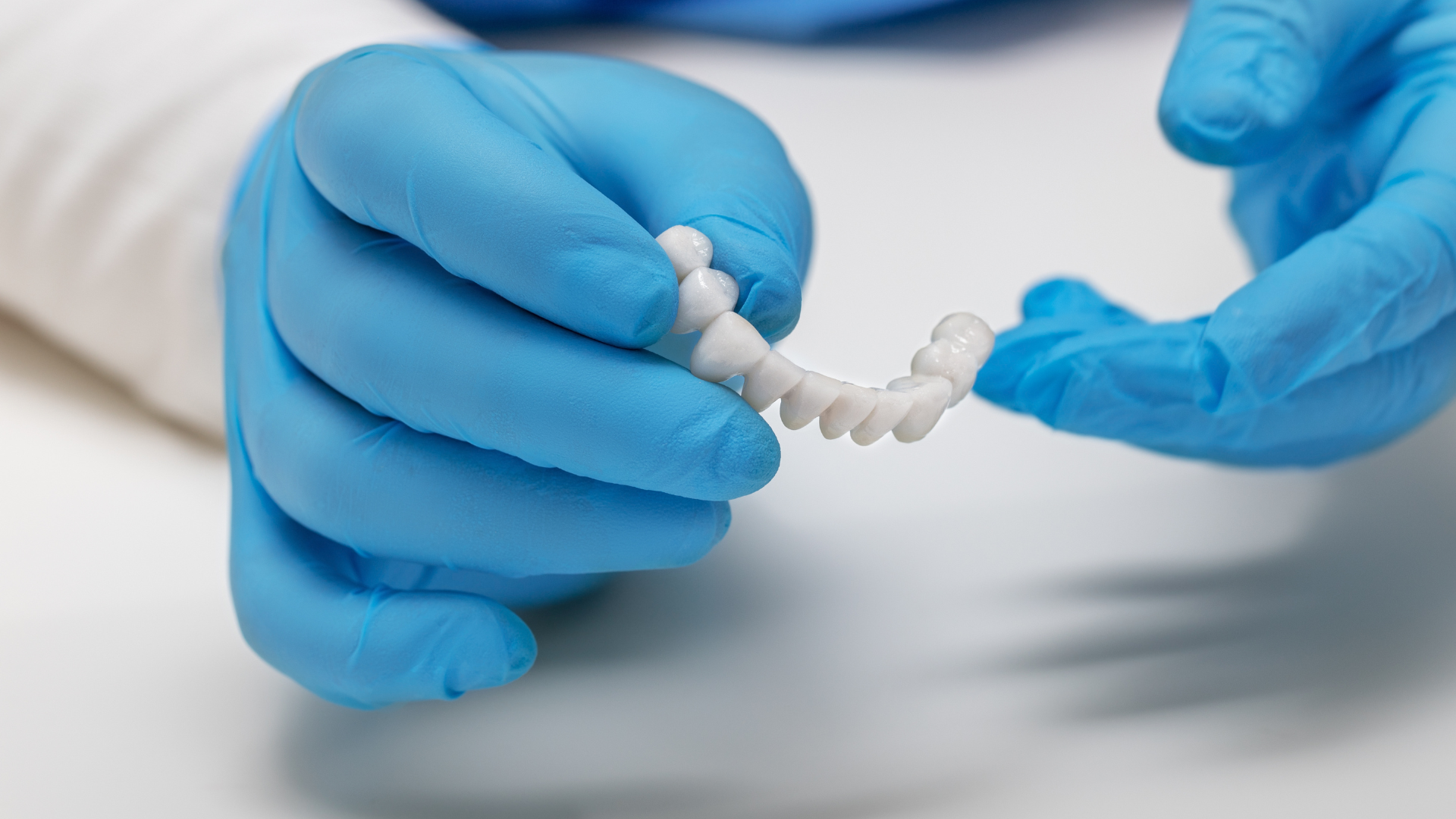
a person wearing blue gloves is holding a dental bridge in their hands .
Request Appointment

What Is A Dental Crown?

Also called caps, dental crowns are placed over the remaining biting surface of a severely decayed or damaged tooth in order to restore strength and functionality. A crown can also be attached to a dental implant when a tooth is missing. For the most part, Dr. Drisdale uses all-ceramic or porcelain crowns. Thanks to advances in the production of dental materials, both of these are extremely durable. In addition, they offer the advantage of being tooth-colored, which is an important consideration for most people when they have a tooth that needs repair.


How Long Do Dental Crowns Last?

With proper care, dental crowns from John K Drisdale DMD can last anywhere from 5 to 15 years. Factors such as dental hygiene, mouth-related habits, and the material of the crown play significant roles in the lifespan of a dental crown.


Benefits of Dental Crowns

Dental crowns offer several benefits:


  • Protection: They protect a weak tooth from breaking or restore one that’s already broken.
  • Functionality: A crown can cover and support a tooth with a large filling when there isn’t a lot of tooth left.
  • Aesthetic Improvement: They can be used to cover misshapen or severely discolored teeth.
  • Restorative: Crowns are the final step in root canal treatment, restoring the tooth to its full function.


The Dental Crown Procedure

The procedure for getting a dental crown involves a few steps, which are handled with utmost care at John K Drisdale DMD:


  1. Preparing the tooth by reshaping it to ensure a perfect fit.
  2. Making an impression of the tooth to create the exact crown needed.
  3. Placing a temporary crown while the permanent crown is made.
  4. Once ready, the permanent crown is placed, adjusted, and cemented into place.


Effects of Missing Teeth and How to Fix Them

Missing teeth not only affect your smile but also your dental health, leading to issues like misalignment and jawbone deterioration. Dental bridges, offered by John K Drisdale DMD, are a reliable solution for replacing one or more missing teeth.

What Is A Dental Bridge?

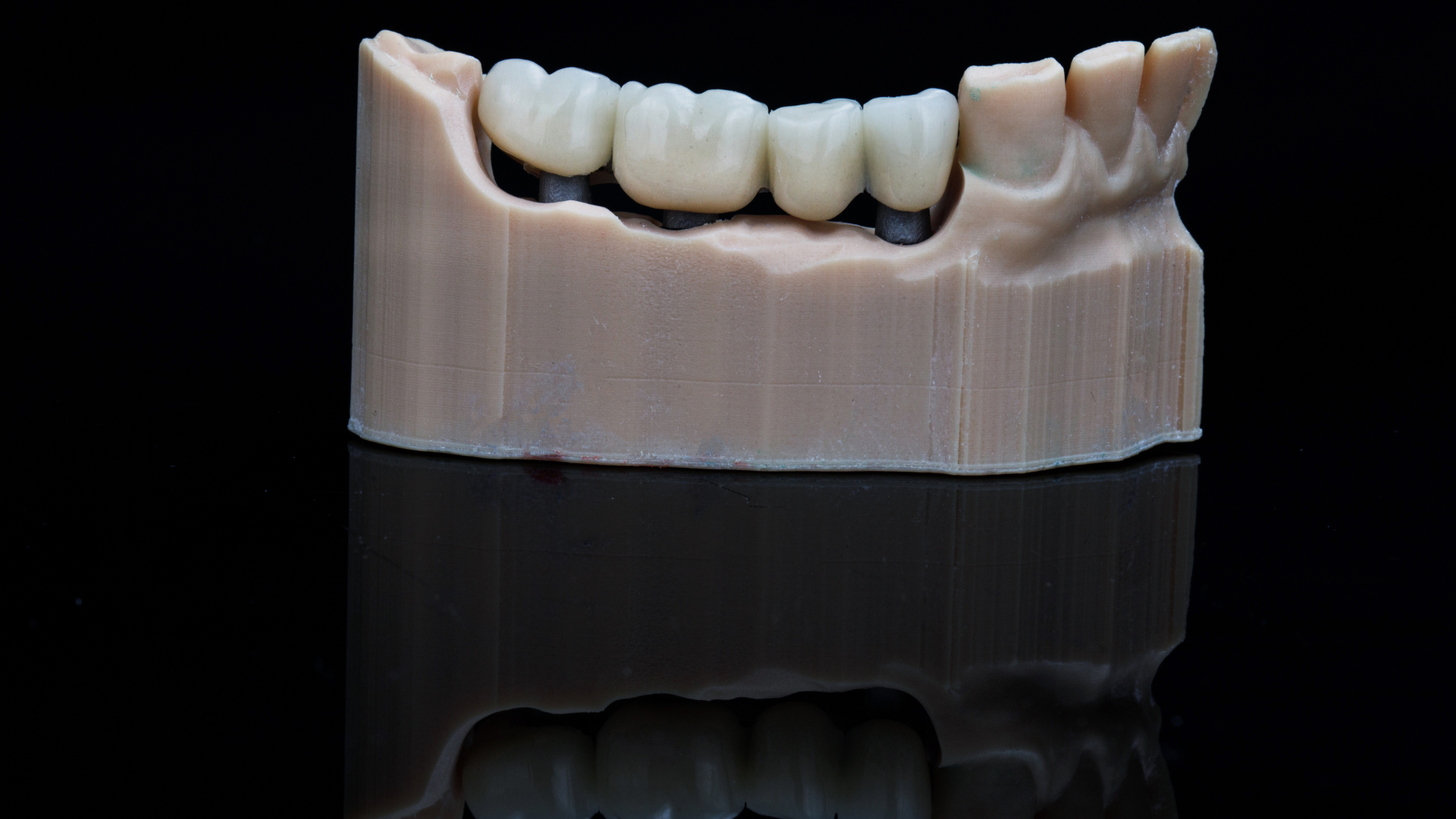
Dental bridges fill in the gap left behind by one or more missing teeth. A bridge consists of one or more false teeth, also called pontics. Replacing lost teeth is important, because those open spaces in your mouth can lead to a number of problems. For example, a missing tooth can cause your remaining teeth to shift out of their usual positions. As a result, you may develop a bad bite or even painful symptoms of TMJ disorder. In addition, tooth loss is often a contributing factor to malnourishment, because each and every tooth in your mouth plays an important role in chewing and digestion. And of course, missing teeth don’t enhance the appearance of your smile.


Types of Bridges and Their Benefits

There are several types of dental bridges:


  • Traditional bridges involve creating a crown for the tooth or implant on either side of the missing tooth, with a pontic in between.
  • Cantilever bridges are used when there are adjacent teeth on only one side of the missing tooth.
  • Maryland bonded bridges include artificial teeth and gums supported by a metal framework.


Benefits of opting for dental bridges include:


  • Restoring your smile
  • Maintaining the shape of your face
  • Preventing remaining teeth from shifting


The Dental Bridges Procedure

Getting a bridge involves:


  1. Preparing the anchoring teeth for crowns.
  2. Creating a model of your teeth to craft the precise bridge.
  3. Fitting a temporary bridge while the permanent one is being made.
  4. Securing the permanent bridge, ensuring comfortable and effective bite function.


Cost of a Dental Bridge

The cost of a dental bridge at John K Drisdale DMD varies depending on the type of bridge selected and the specific needs of the patient. We offer comprehensive consultations to discuss your options and provide detailed cost estimates.
a model of a person 's teeth with a black background .

Dental Crowns And Bridges Together

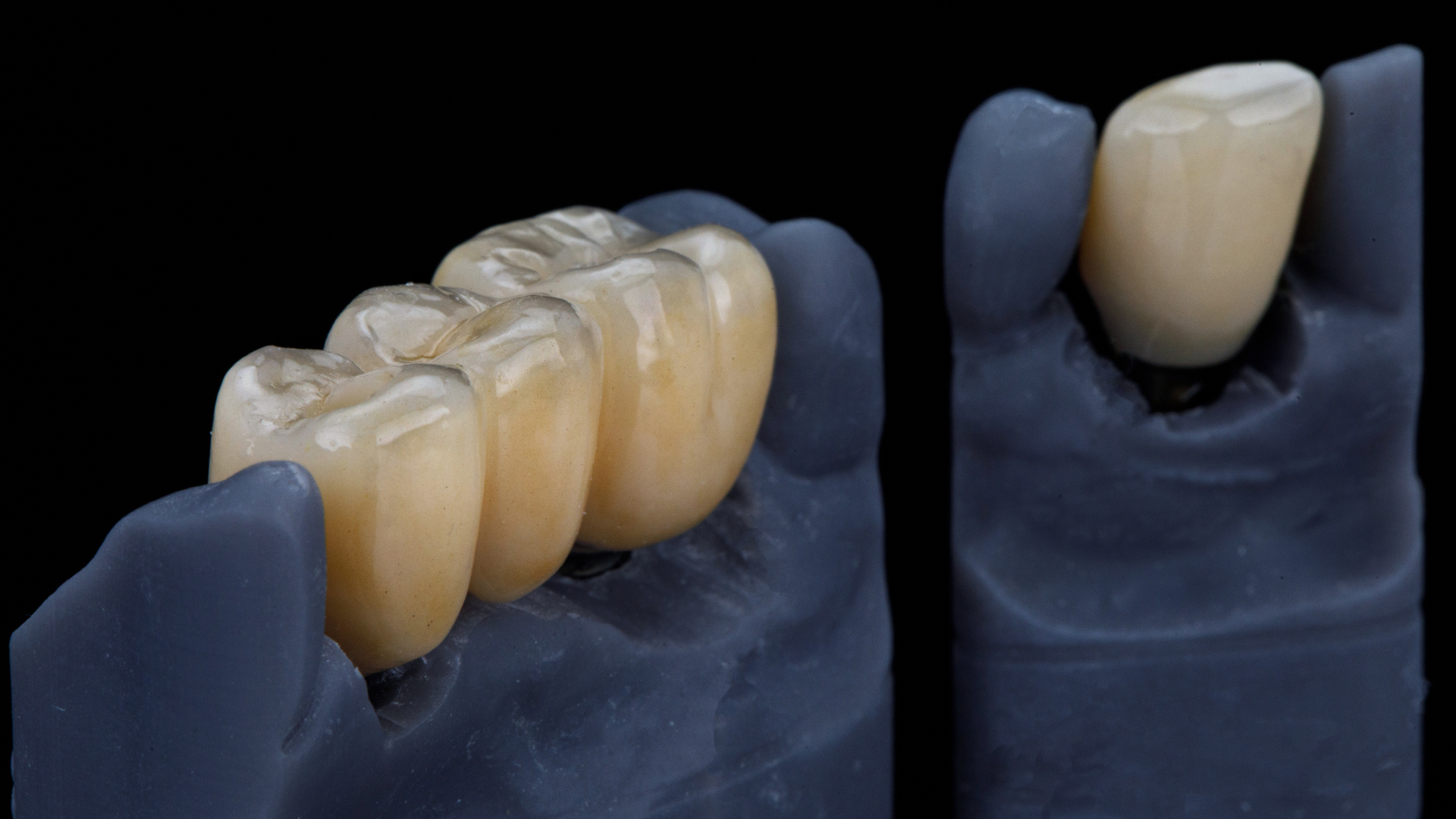
In combination, dental crowns and bridges provide a fixed and secure replacement for missing teeth. Teeth on either side of the gap in your smile are fitted for crowns, which securely hold the bridge in place. Before placing a crown and bridge prosthetic, Dr. Drisdale must first reduce the size of teeth where crowns are attached. This ensures a proper fit. Then, an impression is taken of the prepared teeth, so our dental lab can create your perfect prosthetic. Dr. Drisdale will also instruct the lab on the correct shade for your crown and bridge, so you can be confident your tooth replacement will match the color of your existing teeth.


Once your teeth are prepared, we’ll place a temporary crown and bridge. Then, when the permanent crown and bridge is returned from the lab, the temporary is removed and the new prosthesis is cemented into place.


Caring For Your Dental Crown And Bridge

Whether you're considering dental bridges or crowns, John K Drisdale DMD provides comprehensive consultation to discuss your options and tailor a treatment plan that meets your specific dental health needs. By choosing our services, you invest in durable, high-quality dental care that enhances your smile and boosts your confidence.


For more information or to schedule an appointment, feel free to contact our Midland office where our dedicated team is ready to help you achieve the smile you deserve.


WHY CHOOSE JOHN K. DRISDALE D.M.D. FOR DENTAL CROWNS & BRIDGES?


Choosing John K Drisdale DMD means opting for a practice that combines cutting-edge dental technology with a personalized approach to care. We prioritize your comfort and dental health, ensuring each crown and bridge enhances your oral functionality and aesthetic appeal.

Accurate Digital
Impression System

Customized, Natural-Looking
Bridges & Crowns

We File Dental Insurance Claims
for PPO Plans
a close up of a model of a dental bridge on a black background .
July 30, 2026
A first visit with the best dentist in Midland, TX typically includes new patient paperwork, digital X-rays, a full oral exam, an oral cancer screening, and a professional cleaning if your gums are healthy enough. The appointment runs 60 to 90 minutes and ends with a written treatment plan and a face-to-face conversation about your results. Quick answer: Plan for about 1.5 hours. You'll get X-rays, an exam, and usually a cleaning, then sit down with the dentist to go over what was found before you leave. Key Takeaways A first visit runs 60–90 minutes and covers X-rays, a full exam, an oral cancer screening, and a cleaning when appropriate. You'll review your results with the dentist face-to-face before leaving, using your own X-rays and photos. New patients get a written treatment plan with cost estimates, not a surprise bill. Dental anxiety and long gaps since your last visit are common and handled without judgment. Choosing a New Dental Home Shouldn't Feel Like a Gamble If you've been searching for the best dentist in Midland, TX, you're probably also wondering what actually happens once you sit in the chair. Will it hurt? How long does it take? What if it's been years since your last cleaning? At Dentistry of Midland , Dr. John K. Drisdale and the team built the new-patient process to answer those questions before you even ask them. This guide walks through exactly what happens from scheduling to walking out the door with a clear plan for your smile. Before You Arrive: A Little Prep Goes a Long Way Complete new patient paperwork online. Most offices, including this one, offer secure digital forms you can fill out from home, which saves time in the waiting room. Bring your insurance card and photo ID. Having your group number ready helps the front desk verify benefits quickly. Write down your questions. Sensitivity in one tooth, curiosity about cosmetic dentistry , or general anxiety about the visit — jot it down so nothing gets forgotten once you're in the chair. Arrive 15 minutes early to finish any last paperwork and settle in. Step One: Check-In From the moment you walk in, the front desk team confirms your paperwork, answers billing questions, and gives you a quick overview of the visit. If you filled out forms online, this takes just a few minutes. Step Two: A Comprehensive Oral Health Assessment Digital X-rays capture detailed images of your teeth, roots, and jawbone, revealing cavities between teeth, bone loss, or early issues a visual exam alone can't catch. A full mouth exam checks your teeth, gums, tongue, and soft tissue for cavities, cracks, and signs of gum disease. An oral cancer screening is part of every comprehensive exam. It's quick, painless, and takes just a couple of minutes — early detection matters, and regular screening is one of the reasons dentists build it into general exams . A bite and jaw evaluation checks how your teeth come together and whether your jaw joints show signs of tension or grinding. Gum health measurements use a small instrument to check pocket depth around each tooth, flagging early gingivitis or periodontal disease. Step Three: A Professional Cleaning, If Your Gums Allow It If your exam shows healthy gums, most first visits include a cleaning that goes beyond your at-home routine — removing plaque and tartar buildup, especially along the gumline, and polishing away surface stains. If the exam shows signs of more advanced gum disease, a different treatment called scaling and root planing may be recommended instead, and the dentist will explain exactly why before it's scheduled. Step Four: A Real Conversation, Not a Sales Pitch After the exam and cleaning, you'll sit down with Dr. Drisdale to review the findings using your own X-rays and photos. If anything needs attention, he'll explain what it means, what the options are, and what happens if it's left alone — this is also your moment to ask everything on that list you made earlier. Step Five: Your Written Treatment Plan Before you leave, you'll get a clear plan covering any recommended next steps, a suggested cleaning frequency, cosmetic consultation options if you're interested, and a cost estimate with insurance factored in — no surprises. What If It's Been Years Since Your Last Visit? Plenty of patients come in after a long gap, sometimes a decade or more, and there's no judgment about it. Just mention it at the start of the visit so the pace can be adjusted accordingly. What If I Have Dental Anxiety? Dental anxiety is one of the most common reasons people delay care. Expect open communication before every step, a signal system so you can pause at any time, and sedation options for patients who need more support. Ask about it when you request your appointment . Frequently Asked Questions (FAQs)
July 30, 2026
Professional teeth whitening is worth it for most patients with surface stains from coffee, tea, wine, or tobacco, since it delivers faster, more even results than store-bought kits under a dentist's supervision. It's less effective on intrinsic stains, crowns, or veneers, and results typically last 6 months to 2 years. Quick answer: For everyday stains, yes, it's usually worth it. For deep internal discoloration or teeth with existing dental work, whitening alone may disappoint, and a cosmetic consultation is the better first step. Key Takeaways Professional whitening works best on surface (extrinsic) staining from coffee, tea, wine, and tobacco. Intrinsic staining, crowns, and veneers won't respond the same way to whitening agents. Results last six months to two years and require maintenance, not a one-time fix. Temporary tooth sensitivity is the most common side effect of any whitening method. A quick consultation can save money by matching the right method to your specific type of staining. Why Teeth Discolor in the First Place Search "teeth whitening Midland," and you'll find pharmacy strips, charcoal powders, whitening toothpaste, and professional treatment — all claiming to brighten your smile. Before picking one, it helps to know why teeth discolor in the first place. Extrinsic staining sits on the surface of the enamel and comes from everyday habits: coffee, tea, red wine, dark sodas, tobacco, and foods like berries or tomato sauce. This is the type whitening treats best. Intrinsic staining occurs beneath the enamel, often from aging, certain childhood medications like tetracycline, excessive fluoride exposure, or old trauma to a tooth. It responds less dramatically to whitening and may call for cosmetic dentistry options like veneers or bonding instead. The Pros of Teeth Whitening Noticeable results, often in one visit. In-office whitening can lighten teeth several shades in about an hour, using higher-concentration agents applied under professional supervision. A boost in confidence. Patients often smile more, feel more comfortable in photos, and feel more confident in social and professional settings after whitening. Customization and control. A dentist assesses your current shade, goals, and sensitivity, then recommends the right concentration and method for you, whether that's in-office treatment, custom take-home trays, or both. Safety and supervision. Professional whitening includes a dental exam first, so cavities, cracks, or gum issues get caught before whitening agents are applied, and gums are protected with a barrier during in-office treatment. Longer-lasting, more even results. Custom trays fit your teeth precisely, producing more uniform coverage than generic one-size-fits-all strips. The Cons of Teeth Whitening Tooth sensitivity. The most common side effect, professional or over-the-counter, is temporary sensitivity to hot and cold, usually resolving within a few days. Results aren't permanent. Depending on diet and habits like smoking or coffee, results typically last six months to two years before a touch-up is needed. It doesn't work on everything. Intrinsic staining, crowns, veneers, and fillings won't lighten the same way natural enamel does, which can create an uneven look if only some teeth respond. Cost. Professional whitening costs more upfront than a drugstore kit, but it's typically more effective, more evenly applied, and safer for gums and enamel. Overuse can damage enamel. High-concentration at-home products used without professional guidance can wear down enamel over time and increase long-term sensitivity. Professional Whitening vs. At-Home Kits In-office whitening offers the fastest, most dramatic results with professional supervision and gum protection, at a higher upfront cost. Custom take-home trays from a dentist offer strong results with more flexibility, often at a lower cost than in-office treatment. Over-the-counter strips and gels are the most affordable and convenient but use lower-concentration agents and carry a higher risk of gum irritation from ill-fitting strips. Whitening toothpaste mainly removes surface stains through mild abrasives rather than bleaching the tooth, so it helps maintain results more than create them. So, Is It Worth It? If you're dealing mostly with surface staining from coffee, wine, or occasional tobacco use, professional whitening is very likely worth the investment compared to the diminishing returns of over-the-counter products. If your discoloration is intrinsic, or you have crowns or veneers on your front teeth, whitening alone may not deliver the uniform result you're picturing, and a cosmetic dentistry consultation is the better starting point. What Happens During a Whitening Consultation A consultation at Dentistry of Midland includes a brief oral exam, a shade assessment using a standardized guide, a conversation about your goals and lifestyle, and a recommendation for the method that fits your needs and budget — in-office, custom trays, or a combination. Maintaining Your Results Rinse with water after coffee, tea, or red wine. Use a straw for dark beverages when possible. Keep up consistent brushing and flossing. Schedule regular cleanings to catch surface stains early. Consider periodic touch-ups with custom trays as needed.  Frequently Asked Questions (FAQs)
Dentist showing a patient a model of teeth in a dental office.
February 24, 2026
Emergency dental pain? Dr. John K. Drisdale, DMD provides emergency care in Midland, TX for toothaches, lost teeth & broken restorations. Call 432-684-7424.
More Posts