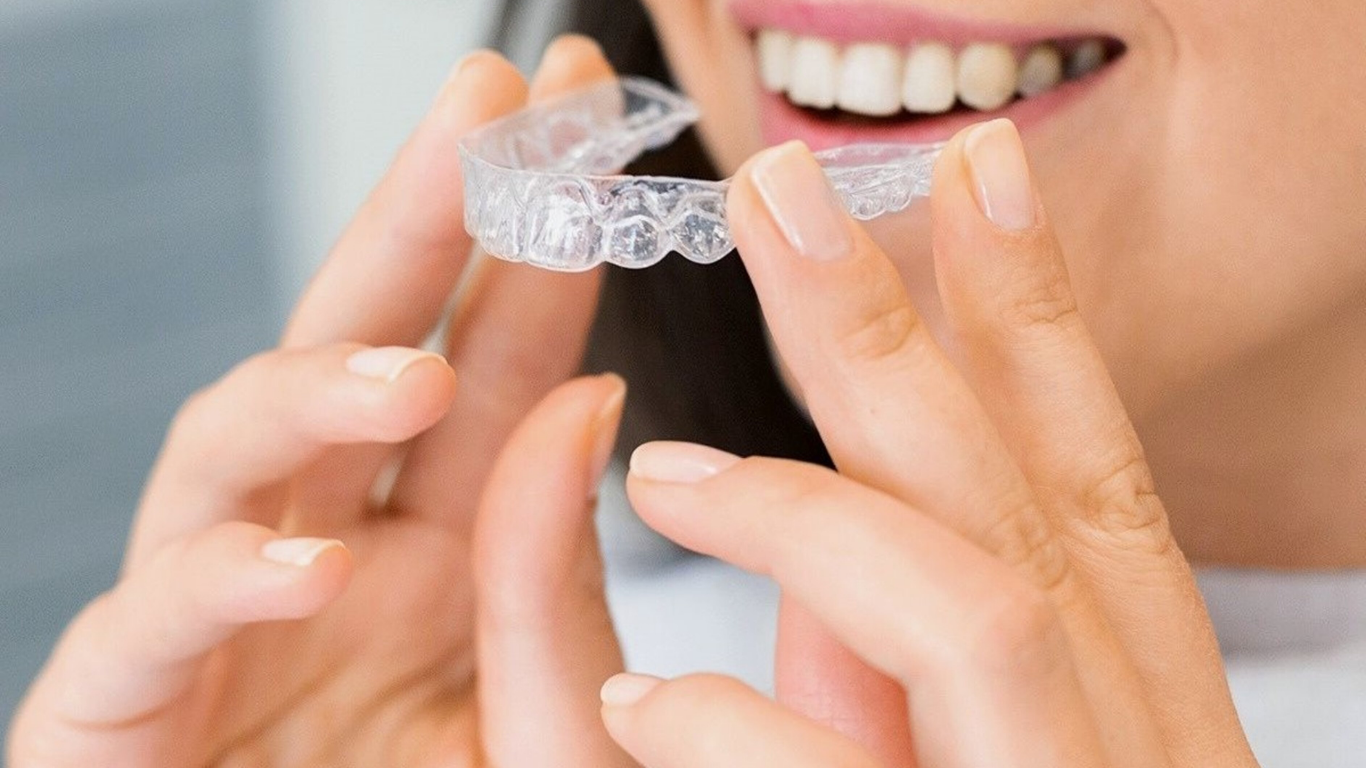
How Long Does Dental Bonding Last?

Understanding Dental Bonding


What is Dental Bonding?


Dental bonding is a cosmetic procedure where a tooth-colored resin material is applied to teeth and hardened with a special light, which ultimately "bonds" the material to the tooth to restore or improve a person's smile. It is a quick, simple, and non-invasive treatment option that can address a variety of dental issues.


  • Dental bonding can be used to repair decayed teeth (fill cavities).
  • It can correct chipped or cracked teeth.
  • Bonding is also an effective way to improve the appearance of discolored teeth.
  • It can be used to close spaces between teeth or make teeth look longer.
  • Sometimes, dental bonding is used as a cosmetic alternative to amalgam fillings, or to protect a portion of the tooth's root that has been exposed when gums recede.


Dental bonding is not only about aesthetics; it also benefits your oral health by protecting and strengthening the tooth structure.

Benefits of Dental Bonding


Dental bonding offers a range of advantages for those looking to improve their smile. It effectively conceals imperfections like chips, cracks, discoloration, and gaps between teeth, providing a seamless and aesthetically pleasing result. The procedure is minimally invasive, often requiring no anesthesia and preserving more of the natural tooth structure compared to other cosmetic treatments.


  • Quick and convenient, dental bonding can typically be completed in a single visit.
  • It is a cost-effective solution compared to veneers or crowns.
  • The composite resin used in bonding is meticulously matched to your natural tooth color, ensuring a natural-looking repair.


Dental bonding is not only about aesthetics; it also helps restore the functionality of damaged teeth, allowing for normal eating and speaking.


Limitations of Dental Bonding


While dental bonding is a versatile and minimally invasive procedure, it does have its limitations. The lifespan of dental bonding can vary significantly depending on several factors, such as the material's durability and the patient's oral habits. Typically, bonding material is not as strong as natural teeth, making it more susceptible to chipping or staining over time.


  • Bonding material may not perfectly match the color of surrounding teeth, especially if the natural teeth whiten over time.
  • The bonding process can sometimes be less durable than other restorative procedures like veneers or crowns.
  • Direct bonding may need to be replaced or repaired after a few years, which can be an additional cost and inconvenience.


It's important for patients to have realistic expectations about the outcomes of dental bonding and to discuss potential limitations with their dentist.


Dental hygienists play a crucial role in educating patients about maintaining their dental work. They provide valuable information on oral health, including plaque removal, diet, and disease prevention. Regular professional teeth cleaning is crucial not only for the longevity of dental bonding but also for overall well-being and a healthy smile.

Factors Affecting the Longevity of Dental Bonding


Diet and Lifestyle


Your diet and lifestyle have a significant impact on the longevity of your dental bonding. Consuming foods and beverages that are high in sugar or acid can erode the bonding material over time, leading to discoloration and deterioration.


  • Limit intake of coffee, tea, and red wine to avoid staining.
  • Avoid hard candies and ice, which can chip the bonding.
  • Reduce consumption of acidic foods like citrus fruits and tomatoes that can wear down the bonding material.


Maintaining a balanced diet and a healthy lifestyle not only benefits your overall health but also helps in preserving the integrity of your dental bonding.

Oral Hygiene Practices


Maintaining good oral hygiene is crucial for the longevity of dental bonding. The resin used in the bonding process can be affected by the same factors that threaten natural teeth, such as plaque and tartar buildup. To ensure the durability of your dental bonding, consider the following steps:


  • Brush your teeth at least twice a day with fluoride toothpaste.
  • Floss daily to remove plaque from between teeth and under the gum line.
  • Use an antiseptic mouthwash to help kill bacteria that brushing and flossing might miss.


Consistent oral care not only protects your dental bonding but also your overall oral health. Remember, dental cavities could affect the dental bonding, making it essential to prevent decay and gum disease.


Regular dental cleanings and check-ups are also part of maintaining oral hygiene. These visits allow your dentist to monitor the condition of your dental bonding and address any issues before they become significant problems.


Chewing and Biting Habits


The way you use your teeth on a daily basis can significantly impact the durability of dental bonding. It's important to be mindful of certain habits that may shorten the lifespan of your bonded teeth:


  • Avoid biting into hard foods or objects, such as ice, pencils, or hard candy.
  • Do not use your teeth as tools to open packaging or bottles.
  • Be cautious with foods that are extremely sticky or chewy.


It's usually better to avoid biting directly into your food, particularly hard consumables that can compromise the dental bonding structure.


By adjusting your chewing and biting habits, you can help ensure that your dental bonding remains intact for as long as possible. Remember that while dental bonding material is strong, it is not as resilient as natural tooth enamel and requires considerate treatment.


Maintaining Dental Bonding


Care Instructions


Proper care for dental bonding is crucial to extend its lifespan and maintain its appearance. Follow these simple steps to ensure your bonded teeth stay in top condition:


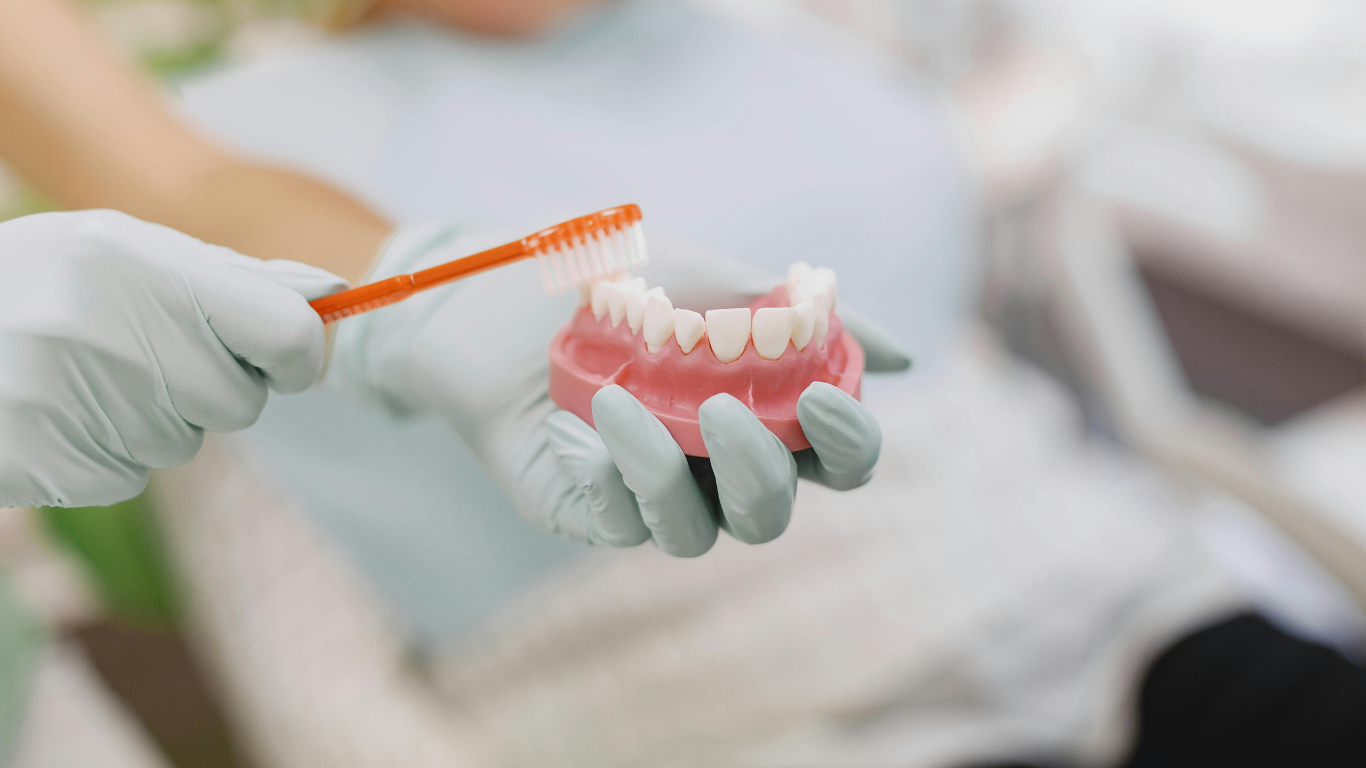
  • Brush gently but thoroughly at least twice a day with a soft-bristled toothbrush.
  • Floss daily to remove plaque from areas your toothbrush can't reach.
  • Avoid biting on hard objects such as ice, pens, or fingernails, which can chip the bonding material.


Regular visits to your dentist for check-ups and cleanings are essential. During these visits, your dentist can polish the bonded areas to keep them shiny and smooth.


Remember, while dental bonding is durable, it is not as strong as natural teeth. Being mindful of the foods you eat and your oral care routine can significantly impact the longevity of the treatment. For personalized advice and care, consider scheduling an appointment with a reputable dental practice like Drisdale DMD, known for their comprehensive dental services and commitment to patient education.


Regular Dental Check-ups


Ensuring the longevity of your dental bonding involves more than just at-home care; regular dental check-ups play a crucial role. These check-ups allow your dentist to monitor the condition of the bonding material and address any issues before they become significant problems.


  • Visit your dentist at least once every six months.
  • Use these appointments to get professional cleanings and examinations.
  • Discuss any concerns or changes you've noticed with your dental work.


By staying on top of these visits, you can help extend the life of your dental bonding and maintain a healthy smile.


Avoiding Damaging Habits


To ensure the longevity of your dental bonding, it's crucial to avoid habits that could compromise its integrity. This includes steering clear of biting into hard foods or objects, such as ice, pens, or hard candy, which can chip or crack the bonding material.


  • Refrain from using your teeth as tools to open packaging or bottles.
  • Avoid chewing on non-food items like fingernails or pencils.
  • Minimize or eliminate habits like teeth grinding, which can wear down the bonding.


By consciously maintaining habits that protect your dental work, you can significantly extend the life of your dental bonding.


Remember, dental bonding is not as strong as natural teeth and requires careful treatment to maintain its appearance and function. Regular dental check-ups will allow your dentist to monitor the condition of your bonding and address any issues before they become significant problems.

Frequently Asked Questions
  • How long does dental bonding last?

    The longevity of dental bonding can vary, but with proper care, it can last anywhere from 5 to 10 years.

  • Is dental bonding permanent?

    Dental bonding is not considered permanent, but it can be long-lasting with good maintenance and regular check-ups.

  • Does dental bonding stain?

    Dental bonding can stain over time, especially if exposed to foods and beverages that cause staining. It's important to follow good oral hygiene practices to minimize staining.

  • Can dental bonding be repaired?

    Yes, dental bonding can be repaired if it chips, cracks, or becomes discolored. It's best to consult with a dentist for the appropriate treatment.

  • Is dental bonding suitable for everyone?

    Dental bonding is a suitable option for many people, but it may not be recommended for individuals with extensive dental issues. A dentist can assess whether dental bonding is the right choice for a particular case.

  • Does dental bonding require special care?

    While dental bonding does not require special care, it's important to follow good oral hygiene practices, avoid biting hard objects, and attend regular dental check-ups to maintain longevity.

August 21, 2026
A dentist typically recommends a dental crown when a tooth has a large crack, extensive decay, a failing filling, or has undergone root canal treatment, since these situations weaken the tooth structure beyond what a filling can support. At Dentistry of Midland, Dr. John K. Drisdale, DMD, FAGD, examines the extent of damage, the tooth's remaining structure, and the patient's bite before recommending a crown over a smaller restoration. A dental crown is usually recommended when a tooth is too damaged, weakened, or decayed for a filling to hold up. Common signs include a visible crack, a large old filling that's failing, sharp sensitivity to hot or cold, a tooth that's finished root canal treatment, or a tooth that's simply worn down from years of grinding. Dr. John K. Drisdale, DMD, FAGD, evaluates each of these factors during an exam before recommending a crown, and this guide walks through what he's actually looking for. What a Dental Crown Actually Does A dental crown is a custom-made cap that fits over the entire visible portion of a tooth, restoring its shape, strength, and appearance. Unlike a filling, which repairs a specific damaged area, a crown covers the whole tooth above the gumline. That full coverage is what makes it the right choice when a tooth is too compromised for a smaller repair to hold up under normal biting and chewing forces. Crowns are typically made from porcelain, ceramic, zirconia, or a metal alloy, depending on the tooth's location and the patient's priorities around appearance versus durability. Front teeth often use all-ceramic or porcelain crowns for a natural look, while back molars sometimes use zirconia or metal for added strength under heavier bite pressure. Five Signs a Dentist Looks For Before Recommending a Crown 1. A Crack That Extends Below the Gumline or Into the Tooth's Structure Not every crack requires a crown. Small surface cracks, sometimes called craze lines, are cosmetic and don't need treatment. But a crack that runs deep into the tooth, especially one that reaches the pulp or extends below the gumline, threatens the tooth's structural integrity. Left alone, that kind of crack can spread with normal chewing pressure until the tooth fractures. 2. A Large, Aging Filling That's Starting to Fail Fillings don't last forever. Over years of biting and chewing, a large filling can develop small gaps at the edges where bacteria sneak in, or the surrounding tooth structure can weaken from supporting an oversized restoration. When a filling covers more than roughly half the tooth's surface, a crown is often the more durable long-term fix. 3. Sharp Sensitivity to Hot, Cold, or Pressure Sensitivity that's sharp, sudden, and tied to a specific tooth (rather than generalized sensitivity across many teeth) can indicate that decay or a crack has reached closer to the nerve. This is one of the more common reasons patients schedule an exam in the first place, and it's a signal worth taking seriously rather than waiting out. 4. A Tooth That's Completed Root Canal Treatment Root canal treatment removes the infected or damaged pulp from inside a tooth, but that process also leaves the tooth more brittle than it was before. A crown placed after root canal treatment protects the tooth from fracturing under normal use, which is why it's a standard recommendation rather than an optional upgrade in most cases. 5. Significant Wear From Grinding or Long-Term Bite Issues Patients who grind their teeth at night, a habit called bruxism, can wear down tooth enamel over years without realizing it's happening. By the time wear is visible or a tooth starts to feel different when biting down, a crown can restore both the shape and the protective function that's been gradually lost. Quick Answer: With proper care, a dental crown typically lasts between 5 and 15 years, and some last significantly longer. Lifespan depends on the crown material, daily oral hygiene, and habits like teeth grinding. Regular checkups let a dentist catch early signs of wear before a crown needs replacement. What the Crown Procedure Involves Getting a crown at Dentistry of Midland generally takes place over two appointments, though some cases may be completed sooner using same-day technology depending on the tooth and material chosen. The general steps include: Preparing the tooth. The damaged or decayed portion is removed, and the tooth is reshaped to create room for the crown to fit properly. Taking an impression. A digital scan or physical impression captures the exact shape needed for the custom crown. Placing a temporary crown. While the permanent crown is fabricated, a temporary one protects the tooth. Fitting the permanent crown. Once ready, the permanent crown is checked for fit and bite alignment, then cemented into place. Dr. Drisdale's use of advanced imaging and precise digital impressions helps ensure the final crown fits comfortably and blends naturally with surrounding teeth from the first fitting. When a Crown Isn't the Right Call Not every damaged tooth needs a crown, and a thorough exam is what separates a case that needs one from a case that doesn't. Minor chips, small cavities, and cosmetic imperfections are often better addressed with a filling, bonding, or a veneer, all of which are less invasive and preserve more of the natural tooth. Part of choosing the right dentist is trusting that the recommendation matches the actual damage, not defaulting to the most extensive (and most expensive) option. Why Experience and Credentials Matter for Crown Recommendations Deciding between a filling, an inlay, and a full crown requires judgment built on experience. Dr. John K. Drisdale, DMD, is a Fellow of the Academy of General Dentistry (FAGD), a credential that reflects extensive continuing education in restorative techniques, and a member of the American Academy of Cosmetic Dentistry (AACD). He was also named a 2024 Super Dentist for West Texas. That combination of restorative training and cosmetic expertise means a crown recommendation accounts for both the tooth's structural needs and how the final result will look and feel. Frequently Asked Questions (FAQs)
August 21, 2026
Finding the best dentist in Midland, TX, when you have dental anxiety comes down to three things: a practice that screens for anxiety before you sit in the chair, sedation or comfort options that match your comfort level, and a provider who explains each step before doing it. Dentistry of Midland, led by Dr. John K. Drisdale, DMD, FAGD, structures new-patient visits around this approach. If dental anxiety has kept you from scheduling a cleaning or fixing a nagging problem, Dentistry of Midland is built around comfort first. Dr. John K. Drisdale, DMD, FAGD, uses a slower-paced exam format, sedation options for patients who need them, and clear communication at every step so nothing happens without your understanding and consent. Most nervous patients say the anticipation is worse than the actual visit, and this guide walks through exactly what to expect so there are no surprises. Why Dental Anxiety Deserves a Different Kind of Visit Dental anxiety is common enough that most dentists see it every single day, not occasionally. It shows up differently for different people. Some patients feel a spike of nerves the morning of the appointment. Others have avoided the dentist for years because of a bad experience decades ago, a fear of pain, or simple discomfort with the sounds and sensations of dental tools. None of these reactions are unusual, and a well-run practice plans for them rather than treating them as an inconvenience. The problem with avoidance is that it compounds. A small cavity left unaddressed becomes a root canal. A cleaning that gets pushed back year after year lets plaque harden into tartar that a toothbrush can no longer remove. The longer anxiety keeps someone away from care, the more likely their eventual visit involves something more invasive, which then reinforces the fear. Breaking that cycle starts with choosing a dentist whose office is set up to slow things down and explain them clearly. What Makes a Dental Office Genuinely Comfortable for Nervous Patients Not every practice that claims to be "gentle" backs that up with real changes to how a visit runs. A handful of concrete features tend to separate the practices that actually work well for anxious patients from those that just use calming language in their marketing: A pre-visit conversation about anxiety. Before any instruments come out, the dentist or hygienist asks what has been difficult in the past and what would help this time. Sedation options, explained plainly. Nitrous oxide, oral conscious sedation, or simply a slower pace should all be on the table, with a clear explanation of what each involves. A "stop" signal that gets honored. Patients should be able to raise a hand at any point and have the provider actually pause. Step-by-step narration. Being told what's about to happen, in plain language, before it happens. No judgment about time away from care. A practice that makes a patient feel guilty for a long gap between visits is doing more harm than good. At Dentistry of Midland, these elements are built into the new patient process rather than offered only when a patient specifically asks. Dr. Drisdale's approach draws on training that emphasizes minimally invasive techniques and clear patient communication, both of which reduce the unpredictability that fuels dental anxiety in the first place. Meet the Dentist: Credentials That Matter for Careful, Comfortable Care Credentials aren't just letters after a name. They reflect ongoing training that shapes how a dentist actually practices. Dr. John K. Drisdale, DMD, holds Fellowship status with the Academy of General Dentistry (FAGD), a distinction earned through hundreds of hours of continuing education well beyond what's required to keep a license active. He is also a member of the American Academy of Cosmetic Dentistry (AACD) and was recognized as a 2024 Super Dentist for West Texas, a peer-nominated honor. For a nervous patient, this matters in practice. A dentist who invests in continuing education is more likely to have trained in newer, less invasive techniques, modern sedation protocols, and technology that shortens procedure time. All of that translates into a calmer chair experience. Quick Answer: Yes, sedation dentistry is available for anxious patients at Dentistry of Midland. Options typically range from nitrous oxide (commonly called laughing gas) for mild anxiety to oral conscious sedation for patients who need a deeper level of calm. The right option depends on the procedure and the patient's specific anxiety level, and it's discussed during the consultation, not decided for you. What to Expect at Your First Visit Walking in without knowing what will happen is often the hardest part for anxious patients. Here is the general flow of a first visit at Dentistry of Midland: Check-in and paperwork. New patient forms cover medical history and specifically ask about any dental anxiety or past negative experiences, so the team knows before you're called back. A conversation before the exam. Rather than moving straight into the chair, there's time to talk through concerns, ask questions, and mention anything that has caused problems in the past. Digital X-rays and an oral cancer screening. These are quick, low-radiation, and non-invasive. A full exam. Dr. Drisdale checks for cavities, gum health, bite alignment, and signs of wear, narrating findings as he goes rather than staying silent. A cleaning, if appropriate. If gum health allows, a cleaning is often completed the same day. A written treatment plan. Any recommended next steps come with a written explanation and cost estimate, with no pressure to schedule anything on the spot. The entire visit typically runs 60 to 90 minutes, though a nervous patient's first visit may be paced more slowly by design. Tips for Managing Anxiety Before and During Your Appointment A few practical steps can make a real difference for anxious patients, regardless of which dentist they see: Book a morning appointment. Less time to anticipate the visit often means less anxiety. Bring headphones. Music or a podcast can help drown out the sounds that trigger anxiety for many patients. Agree on a stop signal beforehand. A simple raised hand gives a sense of control. Say it out loud. Telling the front desk and the provider directly, "I have dental anxiety," ensures the whole team adjusts accordingly. Consider a "meet and greet" visit first. Some patients benefit from a short visit that involves no treatment at all, just a tour of the office and a conversation with the dentist. Why Choosing the Right Dentist Changes the Outcome Dental anxiety doesn't disappear because someone finally makes an appointment. It's managed, visit after visit, by a team that treats it as a normal part of care rather than an obstacle. A dentist with a strong technical reputation, like Dr. Drisdale's Fellowship credential and Super Dentist recognition, paired with a practice culture that prioritizes communication, gives anxious patients the best combination: skilled care delivered in a way that doesn't add to the stress. Frequently Asked Questions (FAQs)
July 30, 2026
A first visit with the best dentist in Midland, TX typically includes new patient paperwork, digital X-rays, a full oral exam, an oral cancer screening, and a professional cleaning if your gums are healthy enough. The appointment runs 60 to 90 minutes and ends with a written treatment plan and a face-to-face conversation about your results. Quick answer: Plan for about 1.5 hours. You'll get X-rays, an exam, and usually a cleaning, then sit down with the dentist to go over what was found before you leave. Key Takeaways A first visit runs 60–90 minutes and covers X-rays, a full exam, an oral cancer screening, and a cleaning when appropriate. You'll review your results with the dentist face-to-face before leaving, using your own X-rays and photos. New patients get a written treatment plan with cost estimates, not a surprise bill. Dental anxiety and long gaps since your last visit are common and handled without judgment. Choosing a New Dental Home Shouldn't Feel Like a Gamble If you've been searching for the best dentist in Midland, TX, you're probably also wondering what actually happens once you sit in the chair. Will it hurt? How long does it take? What if it's been years since your last cleaning? At Dentistry of Midland , Dr. John K. Drisdale and the team built the new-patient process to answer those questions before you even ask them. This guide walks through exactly what happens from scheduling to walking out the door with a clear plan for your smile. Before You Arrive: A Little Prep Goes a Long Way Complete new patient paperwork online. Most offices, including this one, offer secure digital forms you can fill out from home, which saves time in the waiting room. Bring your insurance card and photo ID. Having your group number ready helps the front desk verify benefits quickly. Write down your questions. Sensitivity in one tooth, curiosity about cosmetic dentistry , or general anxiety about the visit — jot it down so nothing gets forgotten once you're in the chair. Arrive 15 minutes early to finish any last paperwork and settle in. Step One: Check-In From the moment you walk in, the front desk team confirms your paperwork, answers billing questions, and gives you a quick overview of the visit. If you filled out forms online, this takes just a few minutes. Step Two: A Comprehensive Oral Health Assessment Digital X-rays capture detailed images of your teeth, roots, and jawbone, revealing cavities between teeth, bone loss, or early issues a visual exam alone can't catch. A full mouth exam checks your teeth, gums, tongue, and soft tissue for cavities, cracks, and signs of gum disease. An oral cancer screening is part of every comprehensive exam. It's quick, painless, and takes just a couple of minutes — early detection matters, and regular screening is one of the reasons dentists build it into general exams . A bite and jaw evaluation checks how your teeth come together and whether your jaw joints show signs of tension or grinding. Gum health measurements use a small instrument to check pocket depth around each tooth, flagging early gingivitis or periodontal disease. Step Three: A Professional Cleaning, If Your Gums Allow It If your exam shows healthy gums, most first visits include a cleaning that goes beyond your at-home routine — removing plaque and tartar buildup, especially along the gumline, and polishing away surface stains. If the exam shows signs of more advanced gum disease, a different treatment called scaling and root planing may be recommended instead, and the dentist will explain exactly why before it's scheduled. Step Four: A Real Conversation, Not a Sales Pitch After the exam and cleaning, you'll sit down with Dr. Drisdale to review the findings using your own X-rays and photos. If anything needs attention, he'll explain what it means, what the options are, and what happens if it's left alone — this is also your moment to ask everything on that list you made earlier. Step Five: Your Written Treatment Plan Before you leave, you'll get a clear plan covering any recommended next steps, a suggested cleaning frequency, cosmetic consultation options if you're interested, and a cost estimate with insurance factored in — no surprises. What If It's Been Years Since Your Last Visit? Plenty of patients come in after a long gap, sometimes a decade or more, and there's no judgment about it. Just mention it at the start of the visit so the pace can be adjusted accordingly. What If I Have Dental Anxiety? Dental anxiety is one of the most common reasons people delay care. Expect open communication before every step, a signal system so you can pause at any time, and sedation options for patients who need more support. Ask about it when you request your appointment . Frequently Asked Questions (FAQs)
More Posts