Top 10 Reasons to Choose Dental Bonding in Midland
Do you find yourself hesitating to smile because of a small chip, a gap, or a misshapen tooth? You’re not alone. Many people in Midland feel self-conscious about minor dental imperfections that impact their confidence. The good news is, a perfect smile doesn't have to be a complicated or time-consuming process. Dental bonding offers a simple, effective, and minimally invasive solution to transform your smile.
As a leading dentist in Midland, Dr. John K. Drisdale is committed to helping you achieve the smile you've always wanted. Here, we'll explore the top 10 reasons dental bonding is a fantastic choice for enhancing your smile and where you can find expert care for dental bonding in Midland.
1. A Quick and Efficient Smile Makeover
One of the most significant advantages of dental bonding is its speed. Unlike veneers or crowns, which can require multiple appointments over several weeks, dental bonding can often be completed in a single visit to our office. In most cases, you can walk in with a dental imperfection and walk out just a few hours later with a flawless, new smile.
2. Versatile Solution for a Range of Imperfections
Dental bonding is a true cosmetic workhorse. It can address various issues, making it a popular choice for many patients. This versatile procedure is used to:
- Repair chipped, cracked, or fractured teeth.
- Close small gaps or spaces between teeth.
- Conceal stubborn discoloration or stains that don’t respond to whitening.
- Change the shape of a tooth to make it longer or more uniform.
- Protect a portion of the tooth’s root exposed due to gum recession.
3. Minimally Invasive and Preserves Natural Tooth Structure
The dental bonding procedure is celebrated for being minimally invasive. It involves little to no removal of your natural tooth enamel. Before applying the bonding material, Dr. Drisdale prepares the tooth’s surface with a mild etching liquid. This approach means your healthy tooth structure remains intact, a significant benefit over more aggressive treatments.
4. A Pain-Free Experience
For many patients, the thought of dental work can cause anxiety. However, dental bonding is typically a pain-free procedure. In most cases, anesthesia is unnecessary because the process involves adding material to the tooth, not removing or altering its structure in a way that would cause discomfort. You can relax in our chair and know that your new smile is being created with ease.
5. Natural-Looking Results
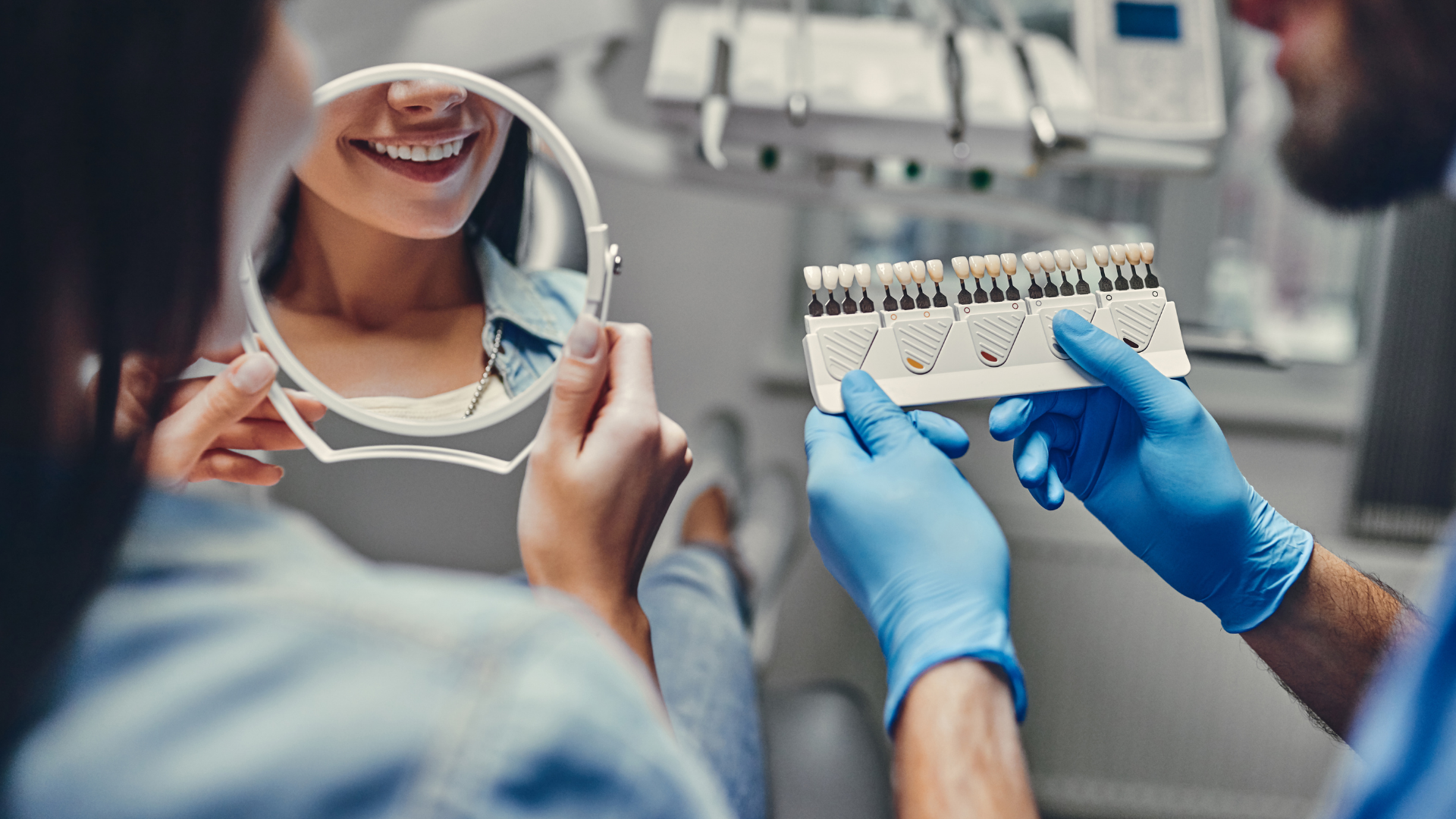
The composite resin used for bonding is expertly matched to the exact shade of your surrounding teeth. Dr. Drisdale's keen eye for aesthetics ensures that the bonded material blends in seamlessly, making it virtually impossible to distinguish from your natural teeth. The result is a flawless, beautiful smile that looks completely authentic.
6. A Cost-Effective Cosmetic Treatment
If you're exploring cosmetic options, cost is often a significant factor. Dental bonding is one of the most affordable cosmetic dental treatments available. It offers a powerful and lasting aesthetic improvement at a fraction of the cost of veneers or crowns, making a stunning smile accessible to more people in the Midland area.
7. Easy to Maintain
Caring for your bonded teeth is simple. Just maintain good oral hygiene with regular brushing, flossing, and routine dental check-ups. While the resin is durable, it's a good idea to avoid chewing on complex objects like ice or pens, which can chip the material. With proper care, your bonding can last for many years.
8. Reversible (In Most Cases)
Because the procedure does not permanently alter your natural tooth, dental bonding is usually considered a reversible treatment. This provides peace of mind for patients who are hesitant about permanently changing their smile.
9. A Perfect Complement to Other Treatments
Dental bonding can be used as a standalone treatment or as part of a more extensive smile makeover. For example, you should whiten your teeth first and then use bonding to close a small gap or fix a chip. Dr. Drisdale will work with you to create a personalized plan that combines various services to achieve your ideal smile.
10. Trust a Credentialed Dentist in Midland
When it comes to your smile, you want to trust an expert. Dr. John K. Drisdale, DMD, is a highly credentialed dentist in Midland with a Fellowship from the Academy of General Dentistry—a distinction held by only a small percentage of dentists in the U.S. and Canada. He was also nominated as a "Texas Super Dentist 2024." His expertise and the practice's use of cutting-edge technology ensure you receive safe, effective, and beautiful results.
The Process of Dental Bonding at Dentistry of Midland
Your dental bonding journey begins with a detailed consultation with Dr. Drisdale to discuss your goals. We'll then select the perfect shade of composite resin to match your teeth. The tooth is prepared, the material is applied and shaped, and a special light is used to harden it. Finally, Dr. Drisdale will trim, shape, and polish the resin to ensure a perfect, seamless fit with your natural teeth.
Why Choose Dentistry of Midland for Your Dental Bonding?
At Dentistry of Midland, we believe in a patient-centered approach. We combine Dr. Drisdale's unique expertise and credentials with advanced technology to provide exceptional care. For dental bonding in Midland, you can expect:
- Personalized treatment plans tailored to your specific needs.
- A comfortable and welcoming office environment.
- A commitment to long-term oral health and aesthetic excellence.
Frequently Asked Questions (FAQs)
How long does dental bonding last?
With proper care, dental bonding can last between 5 and 10 years. The lifespan depends on factors like oral hygiene and whether you avoid habits like chewing on complex objects.
Is dental bonding the same as a veneer?
No, they are different. A veneer is a thin, custom-made shell (usually porcelain) permanently bonded to the front of a tooth. Dental bonding uses composite resin applied directly to the tooth and shaped by the dentist. Bonding is less invasive and more affordable, but veneers are generally more durable and stain-resistant.
Can I whiten my teeth after getting dental bonding?
It is recommended that any teeth whitening procedures be completed before dental bonding. The resin material used for bonding does not respond to whitening agents, so if you whiten your teeth after the bonding is done, your natural teeth may change color while the bonded area remains the same.
Does insurance cover dental bonding?
Dental insurance coverage for bonding can vary. It is more likely to be covered if it is done for a restorative purpose (e.g., to fix a chipped tooth). If it is purely for cosmetic purposes, it may not be. We recommend checking with your insurance provider or our office team to understand your benefits.
Ready to transform your smile?
Ready for a new smile that makes you feel confident? Contact us today
to schedule your consultation with Dr. Drisdale and his expert team for dental bonding in Midland.
Disclaimer: This blog is intended for informational purposes only and does not constitute professional medical advice. The information provided is not a substitute for a qualified dental professional's thorough diagnosis and treatment plan. Results may vary depending on individual cases. Please consult with Dr. John K. Drisdale, DMD, or another qualified healthcare provider to determine the best treatment options for your needs.
Bridge, Partial Denture, or Implants? Comparing Your Options for Replacing Multiple Teeth in Midland