Top Reasons to Choose Veneers for a Smile Makeover in Midland
1. Porcelain Veneers
Porcelain veneers are custom-made, thin shells of high-quality ceramic material designed to cover the front surface of teeth, effectively enhancing your smile by concealing imperfections. Porcelain veneers in Midland offer a durable and aesthetically pleasing solution for various dental issues such as gaps, chips, deep stains, and misshapen teeth. Their glass-like texture not only mimics the natural appearance of enamel but also provides excellent stain resistance, making them a popular choice for those seeking a smile makeover.
Porcelain veneers can transform your smile with minimal alteration to your natural teeth, ensuring a balance between cosmetic enhancement and preservation of tooth structure.
Benefits of Porcelain Veneers:
- Natural appearance: Mimics the look of real teeth with its translucent qualities.
- Durability: Strong and resistant to breakages, lasting 10 to 15 years with proper care.
- Stain resistance: Less prone to discoloration compared to natural teeth.
- Minimal tooth alteration: Often requires only a slight removal of tooth enamel.
Porcelain veneers are not only an aesthetic treatment but also a practical solution for long-lasting dental health and beauty.
2. Customized Smile Design
A customized smile design is at the heart of a smile makeover, tailored to meet the unique facial features and aesthetic preferences of each patient in Midland. This personalized approach ensures that every aspect of the smile makeover serves to enhance the individual's overall appearance and dental health.
- Chips and cracks can be seamlessly corrected.
- Stains or discoloration are effectively managed, giving a whiter, brighter smile.
- Adjustments for worn or 'short' teeth help in achieving a balanced, uniform look.
- Gaps and spaces between teeth can be closed or minimized.
- Excess gum tissue or a 'gummy smile' can be reshaped for a more pleasing contour.
- Solutions for missing teeth include options that restore both function and aesthetics.
The goal of a customized smile design is not just to create a beautiful smile, but to craft one that complements and enhances your natural features, making your smile truly yours.
3. Whiter Teeth
Achieving a brighter, more attractive smile is often a key goal for those considering a smile makeover. Veneers provide a substantial advantage in this area, as they are capable of transforming the shade of your teeth to a brilliant white. This transformation is not just about aesthetics; it's about enhancing your overall facial appearance.
Veneers can effectively cover stains and discolorations that traditional whitening methods may not address, offering a long-lasting whiteness that does not fade over time.
For those looking for immediate and significant whitening effects, veneers are an excellent choice. They bypass the need for repeated whitening treatments, which can be both time-consuming and costly. Additionally, veneers are tailored to match the desired level of whiteness, ensuring that your smile makeover meets your personal aesthetic goals.
4. Quick Transformation
Choosing veneers for a smile makeover offers a quick transformation of your dental appearance without the need for extensive procedures. Here are some key benefits:
- No surgery required: Veneers can be applied with minimal invasiveness, making it a straightforward procedure.
- Minimal pain and discomfort: Unlike more invasive dental procedures, veneers involve little to no pain.
- No recovery time: Patients can resume their normal activities immediately after the procedure.
Veneers are not only a quick but also an affordable solution for those looking to enhance their smile efficiently.
This option is perfect for individuals who desire a significant change in a short amount of time, providing a completely customized and aesthetically pleasing result.
5. Aesthetic Mimicry
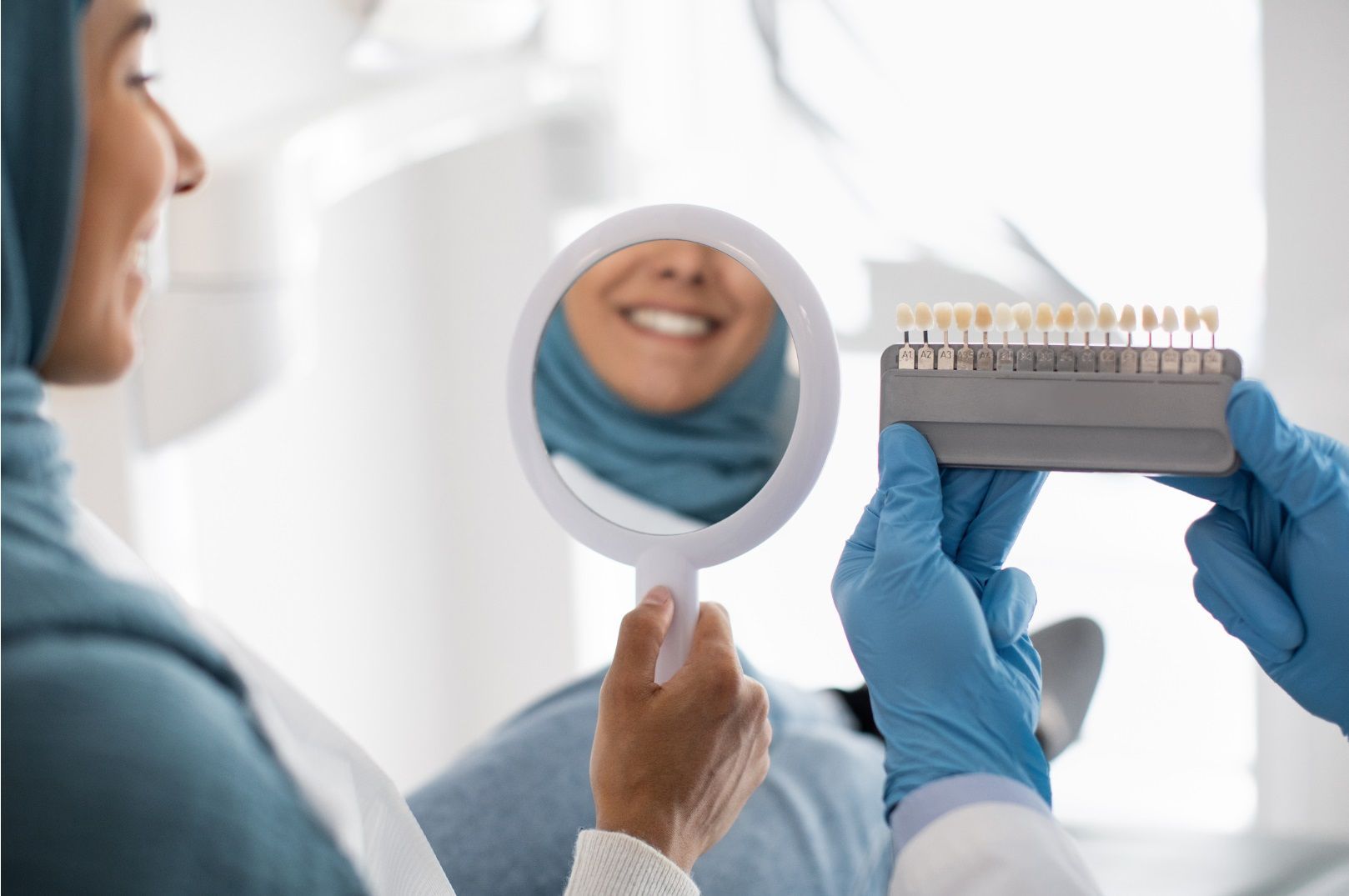
Veneers offer a unique advantage in cosmetic dentistry by their ability to closely mimic the aesthetic properties of natural teeth. This includes matching the shade and translucency of your existing teeth, ensuring that the veneers blend seamlessly into your smile. Whether you're addressing a few 'problem' areas or opting for a complete smile makeover, veneers can be tailored to meet your specific needs, enhancing the natural beauty of your smile without appearing artificial.
Veneers provide a customized smile transformation, whether on a small or large scale, perfectly mimicking the natural aspects of your teeth to enhance your overall appearance.
6. Comprehensive Smile Makeover
A comprehensive smile makeover encompasses a variety of dental procedures tailored to enhance both the functionality and aesthetics of your smile. This approach addresses multiple aspects of dental health and appearance, ensuring a harmonious and attractive result.
Benefits of a Comprehensive Approach
- Holistic improvement: Targets both cosmetic and functional dental issues.
- Customized treatment: Each procedure is tailored to fit the individual's unique dental needs and aesthetic goals.
- Enhanced self-esteem: A better smile often leads to increased confidence and personal satisfaction.
A comprehensive smile makeover not only transforms your smile but also boosts your overall dental health and personal well-being.
7. Addressing Dental Flaws
Veneers are a popular choice for addressing a variety of dental flaws that can detract from the aesthetics of your smile. These include stained or discolored teeth, uneven or broken teeth, and even crooked, misaligned, or crowded teeth. By choosing veneers, patients in Midland can enjoy a seamless and attractive smile without extensive dental work.
Common Dental Flaws Corrected by Veneers
- Stained or discolored teeth
- Uneven or broken teeth
- Crooked, misaligned, or crowded teeth
- Worn or flattened biting edges
- Small, odd-shaped, or asymmetrical teeth
- Gummy-smile appearance
- Irreparable or missing teeth
- Narrow teeth or small gaps
Veneers offer a versatile solution to many common dental issues, enhancing not just the look but also the function of your teeth. The best dentist in Midland TX can provide personalized advice on how veneers can address your specific dental concerns.
8. Confidence Boost
Choosing veneers for a smile makeover can significantly boost your confidence. A beautiful smile often translates to increased self-esteem because it enhances your overall appearance and the way you are perceived by others. Feeling good about your smile can make you more confident in social and professional settings.
- Improved social interactions: A confident smile can make you more approachable and engaging in social situations.
- Enhanced professional image: A bright, attractive smile can convey confidence and professionalism, potentially opening doors to new opportunities.
Veneers provide a fast and effective way to transform your smile, boosting your confidence and improving your quality of life.
9. Handcrafted Design
Each veneer is meticulously crafted by skilled dental artisans, ensuring that every piece is unique and tailored to the individual's dental anatomy and aesthetic preferences. The handcrafted nature of veneers allows for a level of detail and customization that is unparalleled in cosmetic dentistry. This personalized approach not only enhances the natural appearance of the veneers but also ensures a perfect fit and maximum comfort for the wearer.
- Precision in craftsmanship ensures that each veneer is a work of art.
- Attention to detail is paramount, reflecting the unique characteristics of each patient’s smile.
- Custom shading and shaping techniques are used to create a seamless and natural look.
10. Stain Resistance
One of the standout features of veneers, particularly porcelain veneers, is their incredible resistance to stains. This makes them an ideal choice for those looking to maintain a bright and consistent smile without the worry of discoloration over time. Porcelain veneers have a glass-like surface that does not absorb stains like natural teeth do, ensuring that your smile stays radiant for years to come.
Veneers provide a durable solution that not only enhances the aesthetic of your smile but also offers practical benefits like stain resistance, making them a worthwhile investment for a long-lasting, beautiful smile.
Frequently Asked Questions
What are porcelain veneers?
Porcelain veneers are thin shells of porcelain that are bonded to the front of teeth, primarily those visible when you smile. They are designed to cover aesthetic flaws like chips, stains, and misalignment, providing a refreshed and improved appearance.
Who is a good candidate for porcelain veneers?
Porcelain veneers are suitable for individuals who have cosmetic concerns such as discoloration, minor misalignment, chips, or gaps in their teeth. They are ideal for those looking for a significant aesthetic improvement in their smile.
How long does it take to transform a smile with veneers?
The entire process of getting veneers typically requires two visits to the dentist. The first visit involves preparing the teeth and taking impressions, and the second visit is for the application of the veneers.
Can veneers match the color of my natural teeth?
Yes, veneers are custom-made to match the shade and translucency of your natural teeth, ensuring a seamless and natural-looking integration into your smile.
How do veneers mimic natural teeth aesthetics?
Veneers are crafted to closely mimic the aesthetic properties of natural teeth, including their color and texture, making them a popular choice for those seeking a natural and attractive smile enhancement.
What are the benefits of choosing veneers for a smile makeover?
Veneers offer a quick transformation with a durable solution that resists stains and mimics natural tooth aesthetics. They can address various dental flaws, boost confidence, and provide a customized smile design.
Bridge, Partial Denture, or Implants? Comparing Your Options for Replacing Multiple Teeth in Midland