Is Teeth Whitening Worth It? A Midland Dentist Weighs the Pros and Cons

Professional teeth whitening is worth it for most patients with surface stains from coffee, tea, wine, or tobacco, since it delivers faster, more even results than store-bought kits under a dentist's supervision. It's less effective on intrinsic stains, crowns, or veneers, and results typically last 6 months to 2 years.
Quick answer: For everyday stains, yes, it's usually worth it. For deep internal discoloration or teeth with existing dental work, whitening alone may disappoint, and a cosmetic consultation is the better first step.
Key Takeaways
- Professional whitening works best on surface (extrinsic) staining from coffee, tea, wine, and tobacco.
- Intrinsic staining, crowns, and veneers won't respond the same way to whitening agents.
- Results last six months to two years and require maintenance, not a one-time fix.
- Temporary tooth sensitivity is the most common side effect of any whitening method.
- A quick consultation can save money by matching the right method to your specific type of staining.
Why Teeth Discolor in the First Place
Search "teeth whitening Midland," and you'll find pharmacy strips, charcoal powders, whitening toothpaste, and professional treatment — all claiming to brighten your smile. Before picking one, it helps to know why teeth discolor in the first place.
Extrinsic staining sits on the surface of the enamel and comes from everyday habits: coffee, tea, red wine, dark sodas, tobacco, and foods like berries or tomato sauce. This is the type whitening treats best.
Intrinsic staining occurs beneath the enamel, often from aging, certain childhood medications like tetracycline, excessive fluoride exposure, or old trauma to a tooth. It responds less dramatically to whitening and may call for
cosmetic dentistry options like veneers or bonding instead.
The Pros of Teeth Whitening
Noticeable results, often in one visit. In-office whitening can lighten teeth several shades in about an hour, using higher-concentration agents applied under professional supervision.
A boost in confidence. Patients often smile more, feel more comfortable in photos, and feel more confident in social and professional settings after whitening.
Customization and control. A dentist assesses your current shade, goals, and sensitivity, then recommends the right concentration and method for you, whether that's in-office treatment, custom take-home trays, or both.
Safety and supervision. Professional whitening includes a dental exam first, so cavities, cracks, or gum issues get caught before whitening agents are applied, and gums are protected with a barrier during in-office treatment.
Longer-lasting, more even results. Custom trays fit your teeth precisely, producing more uniform coverage than generic one-size-fits-all strips.
The Cons of Teeth Whitening
Tooth sensitivity. The most common side effect, professional or over-the-counter, is temporary sensitivity to hot and cold, usually resolving within a few days.
Results aren't permanent. Depending on diet and habits like smoking or coffee, results typically last six months to two years before a touch-up is needed.
It doesn't work on everything. Intrinsic staining, crowns, veneers, and fillings won't lighten the same way natural enamel does, which can create an uneven look if only some teeth respond.
Cost. Professional whitening costs more upfront than a drugstore kit, but it's typically more effective, more evenly applied, and safer for gums and enamel.
Overuse can damage enamel. High-concentration at-home products used without professional guidance can wear down enamel over time and increase long-term sensitivity.
Professional Whitening vs. At-Home Kits
In-office whitening offers the fastest, most dramatic results with professional supervision and gum protection, at a higher upfront cost.
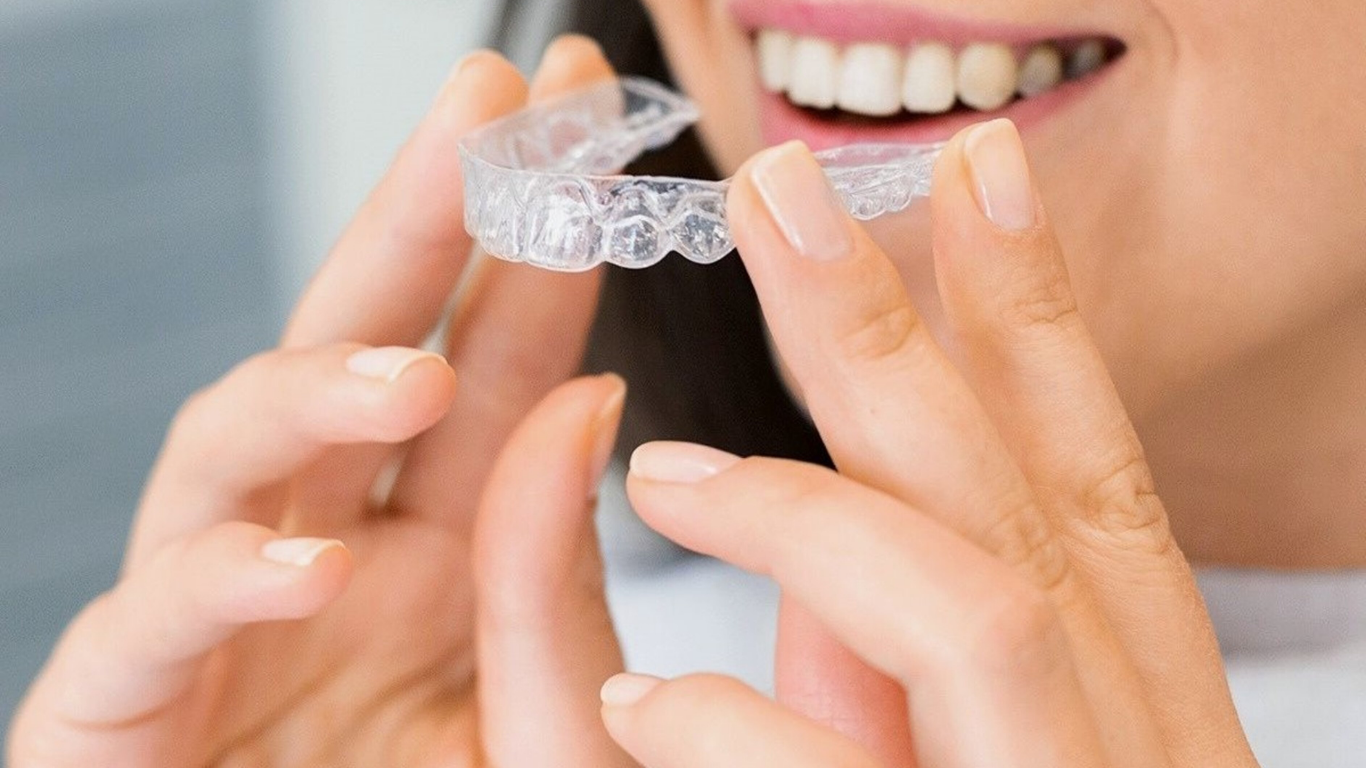
Custom take-home trays from a dentist offer strong results with more flexibility, often at a lower cost than in-office treatment.
Over-the-counter strips and gels are the most affordable and convenient but use lower-concentration agents and carry a higher risk of gum irritation from ill-fitting strips.
Whitening toothpaste mainly removes surface stains through mild abrasives rather than bleaching the tooth, so it helps maintain results more than create them.
So, Is It Worth It?
If you're dealing mostly with surface staining from coffee, wine, or occasional tobacco use, professional whitening is very likely worth the investment compared to the diminishing returns of over-the-counter products. If your discoloration is intrinsic, or you have crowns or veneers on your front teeth, whitening alone may not deliver the uniform result you're picturing, and a cosmetic dentistry consultation is the better starting point.
What Happens During a Whitening Consultation
A consultation at Dentistry of Midland includes a brief oral exam, a shade assessment using a standardized guide, a conversation about your goals and lifestyle, and a recommendation for the method that fits your needs and budget — in-office, custom trays, or a combination.
Maintaining Your Results
Rinse with water after coffee, tea, or red wine. Use a straw for dark beverages when possible. Keep up consistent brushing and flossing. Schedule regular cleanings to catch surface stains early. Consider periodic touch-ups with custom trays as needed.
Frequently Asked Questions (FAQs)
Is professional teeth whitening worth the cost?
For most patients dealing with everyday surface stains, yes — it delivers faster, more even, and longer-lasting results than store-bought kits, with a dentist supervising for safety.
How long does teeth whitening last?
Results typically last six months to two years, depending on diet, oral hygiene, and habits like smoking or coffee consumption.
Does teeth whitening work on crowns or veneers?
No. Whitening agents only work on natural tooth enamel, so crowns, veneers, and bonding won't change color and may look mismatched against newly whitened natural teeth.
Is teeth whitening painful?
Not typically. The most common side effect is temporary sensitivity to hot and cold, which usually resolves within a few days.
What's the difference between in-office and take-home whitening?
In-office whitening delivers faster, more dramatic results in about an hour under supervision, while take-home trays offer strong results over one to two weeks with more flexibility, often at a lower cost.
Trust & Authority
Dr. John K. Drisdale, DMD, is a Fellow of the Academy of General Dentistry (FAGD), a distinction held by only about 6% of general dentists in the U.S. and Canada, and a member of the American Academy of Cosmetic Dentistry (AACD). He was named a 2024 Super Dentist for West Texas. At Dentistry of Midland, 2303 W Louisiana Ave, Midland, TX, Dr. Drisdale evaluates enamel thickness and structural health before recommending any whitening protocol to ensure safe, predictable results.
Author: Dr. John K. Drisdale, DMD, FAGD — Dentist, Dentistry of Midland
Bio/Profile URL: https://www.dentistryofmidland.com/
Talk to a Midland Dentist Before You Decide
With so many whitening products marketed directly to consumers, a quick consultation can save money, protect your enamel, and set expectations that actually match your results.
Schedule a cosmetic dentistry consultation with Dentistry of Midland today, or call (432) 684-7424.
Disclaimer: This content is provided for general informational purposes only and does not constitute medical or dental advice. Individual results from teeth whitening vary based on staining type, enamel condition, and overall oral health, and outcomes described here are not guaranteed for every patient. This article does not replace an in-person dental exam, which is necessary to determine whether whitening is appropriate for your teeth and to rule out underlying issues. Provider credentials and practice details referenced are accurate as of publication but may change over time. Always consult a licensed dentist before beginning any teeth whitening treatment, whether professional or over-the-counter.