Best Dentist in Midland for Nervous Patients: A Guide to Comfortable Care
Finding the best dentist in Midland, TX, when you have dental anxiety comes down to three things: a practice that screens for anxiety before you sit in the chair, sedation or comfort options that match your comfort level, and a provider who explains each step before doing it. Dentistry of Midland, led by Dr. John K. Drisdale, DMD, FAGD, structures new-patient visits around this approach.
If dental anxiety has kept you from scheduling a cleaning or fixing a nagging problem, Dentistry of Midland is built around comfort first. Dr. John K. Drisdale, DMD, FAGD, uses a slower-paced exam format, sedation options for patients who need them, and clear communication at every step so nothing happens without your understanding and consent. Most nervous patients say the anticipation is worse than the actual visit, and this guide walks through exactly what to expect so there are no surprises.
Why Dental Anxiety Deserves a Different Kind of Visit
Dental anxiety is common enough that most dentists see it every single day, not occasionally. It shows up differently for different people. Some patients feel a spike of nerves the morning of the appointment. Others have avoided the dentist for years because of a bad experience decades ago, a fear of pain, or simple discomfort with the sounds and sensations of dental tools. None of these reactions are unusual, and a well-run practice plans for them rather than treating them as an inconvenience.
The problem with avoidance is that it compounds. A small cavity left unaddressed becomes a root canal. A cleaning that gets pushed back year after year lets plaque harden into tartar that a toothbrush can no longer remove. The longer anxiety keeps someone away from care, the more likely their eventual visit involves something more invasive, which then reinforces the fear. Breaking that cycle starts with choosing a dentist whose office is set up to slow things down and explain them clearly.
What Makes a Dental Office Genuinely Comfortable for Nervous Patients
Not every practice that claims to be "gentle" backs that up with real changes to how a visit runs. A handful of concrete features tend to separate the practices that actually work well for anxious patients from those that just use calming language in their marketing:
- A pre-visit conversation about anxiety. Before any instruments come out, the dentist or hygienist asks what has been difficult in the past and what would help this time.
- Sedation options, explained plainly. Nitrous oxide, oral conscious sedation, or simply a slower pace should all be on the table, with a clear explanation of what each involves.
- A "stop" signal that gets honored. Patients should be able to raise a hand at any point and have the provider actually pause.
- Step-by-step narration. Being told what's about to happen, in plain language, before it happens.
- No judgment about time away from care. A practice that makes a patient feel guilty for a long gap between visits is doing more harm than good.
At Dentistry of Midland, these elements are built into the new patient process rather than offered only when a patient specifically asks. Dr. Drisdale's approach draws on training that emphasizes minimally invasive techniques and clear patient communication, both of which reduce the unpredictability that fuels dental anxiety in the first place.
Meet the Dentist: Credentials That Matter for Careful, Comfortable Care
Credentials aren't just letters after a name. They reflect ongoing training that shapes how a dentist actually practices. Dr. John K. Drisdale, DMD, holds Fellowship status with the Academy of General Dentistry (FAGD), a distinction earned through hundreds of hours of continuing education well beyond what's required to keep a license active. He is also a member of the American Academy of Cosmetic Dentistry (AACD) and was recognized as a 2024 Super Dentist for West Texas, a peer-nominated honor.
For a nervous patient, this matters in practice. A dentist who invests in continuing education is more likely to have trained in newer, less invasive techniques, modern sedation protocols, and technology that shortens procedure time. All of that translates into a calmer chair experience.
Quick Answer: Yes, sedation dentistry is available for anxious patients at Dentistry of Midland. Options typically range from nitrous oxide (commonly called laughing gas) for mild anxiety to oral conscious sedation for patients who need a deeper level of calm. The right option depends on the procedure and the patient's specific anxiety level, and it's discussed during the consultation, not decided for you.
What to Expect at Your First Visit
Walking in without knowing what will happen is often the hardest part for anxious patients. Here is the general flow of a first visit at Dentistry of Midland:
- Check-in and paperwork. New patient forms cover medical history and specifically ask about any dental anxiety or past negative experiences, so the team knows before you're called back.
- A conversation before the exam. Rather than moving straight into the chair, there's time to talk through concerns, ask questions, and mention anything that has caused problems in the past.
- Digital X-rays and an oral cancer screening. These are quick, low-radiation, and non-invasive.
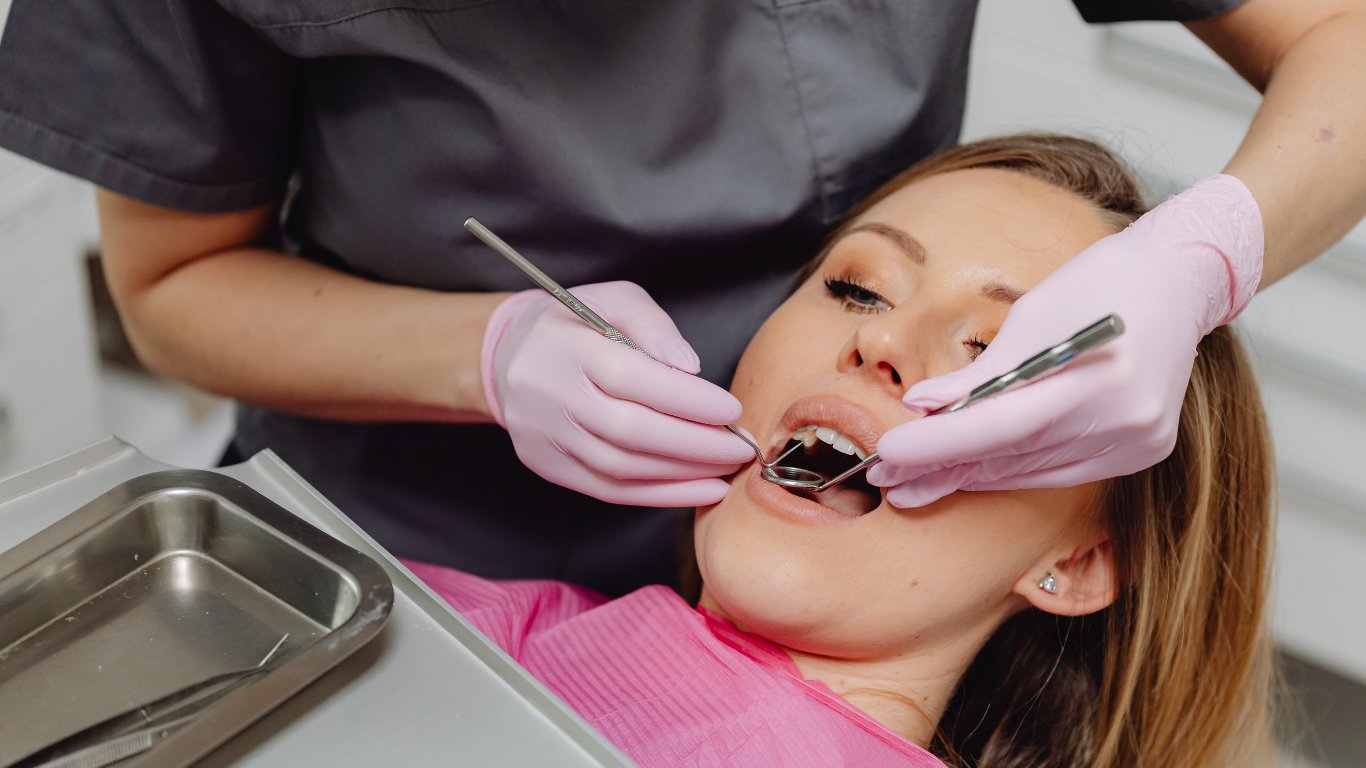
- A full exam. Dr. Drisdale checks for cavities, gum health, bite alignment, and signs of wear, narrating findings as he goes rather than staying silent.
- A cleaning, if appropriate. If gum health allows, a cleaning is often completed the same day.
- A written treatment plan. Any recommended next steps come with a written explanation and cost estimate, with no pressure to schedule anything on the spot.
The entire visit typically runs 60 to 90 minutes, though a nervous patient's first visit may be paced more slowly by design.
Tips for Managing Anxiety Before and During Your Appointment
A few practical steps can make a real difference for anxious patients, regardless of which dentist they see:
- Book a morning appointment. Less time to anticipate the visit often means less anxiety.
- Bring headphones. Music or a podcast can help drown out the sounds that trigger anxiety for many patients.
- Agree on a stop signal beforehand. A simple raised hand gives a sense of control.
- Say it out loud. Telling the front desk and the provider directly, "I have dental anxiety," ensures the whole team adjusts accordingly.
- Consider a "meet and greet" visit first. Some patients benefit from a short visit that involves no treatment at all, just a tour of the office and a conversation with the dentist.
Why Choosing the Right Dentist Changes the Outcome
Dental anxiety doesn't disappear because someone finally makes an appointment. It's managed, visit after visit, by a team that treats it as a normal part of care rather than an obstacle. A dentist with a strong technical reputation, like Dr. Drisdale's Fellowship credential and Super Dentist recognition, paired with a practice culture that prioritizes communication, gives anxious patients the best combination: skilled care delivered in a way that doesn't add to the stress.
Frequently Asked Questions (FAQs)
Is sedation dentistry safe for patients with dental anxiety?
Yes. Sedation options like nitrous oxide and oral conscious sedation are well-established and safe when administered by a trained provider who reviews the patient's medical history first. The level of sedation is matched to the individual and the procedure.
What if I haven't seen a dentist in years because of anxiety?
This is a common situation, not a rare one. A good first step is to schedule a consultation visit rather than a full exam, so the dentist can get a sense of your history and concerns before any treatment happens.
Can I request a specific provider to be more comfortable?
Yes. Most practices, including Dentistry of Midland, are happy to accommodate a request to work with a specific hygienist or to have the same provider for future visits to build familiarity.
Will my dentist judge me for a long gap between visits?
A well-trained dental team understands that avoidance is often driven by anxiety, not neglect. The focus at a comfort-oriented practice is on moving forward with care, not on dwelling on the gap.
How long does a first visit usually take?
A typical new patient visit lasts 60 to 90 minutes and includes X-rays, an exam, a cleaning (if appropriate), and a discussion of a treatment plan.
Does dental insurance cover sedation options?
Coverage varies by plan and by the type of sedation used. The office can verify benefits before your appointment, so there are no surprises on cost.
Reviewed by: Dr. John K. Drisdale, DMD, FAGD — Fellow, Academy of General Dentistry; Member, American Academy of Cosmetic Dentistry; 2024 Super Dentist, West Texas. Practicing general and cosmetic dentistry at Dentistry of Midland, 2303 W Louisiana Ave, Midland, TX 79701.
Speakable summary: Dentistry of Midland offers sedation options and a slower-paced visit structure for patients with dental anxiety, led by Dr. John K. Drisdale, DMD, FAGD.
Freshness flag:
Content reviewed August 2026.
Disclaimer: This content is provided for general informational purposes only and does not constitute medical or dental advice. Sedation options, treatment approaches, and visit structures described here are general guidelines and may not be appropriate for every patient. Sedation eligibility depends on individual medical history and must be evaluated by a licensed provider. This article is not a substitute for an in-person consultation. Provider credentials and practice details referenced are accurate as of publication but may change over time. If you have dental anxiety or specific health conditions, discuss your concerns directly with a qualified dentist before scheduling any sedation-based treatment.